
Quebracho
Schinopsis
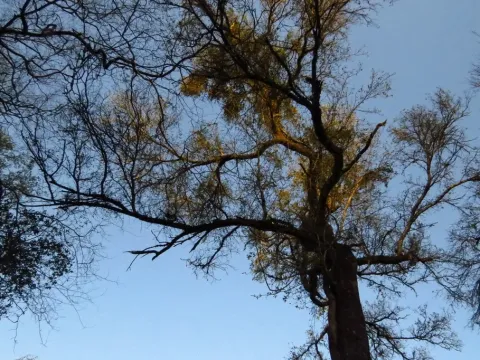
Quebracho is a genus of evergreen trees belonging to the Anacardiaceae family. The name originates from the Spanish phrase quebra hacho, meaning axe-breaker, which reflects the extraordinary density and hardness of the wood produced by these trees.
What the section contains

Quebracho
The native habitat of this crop is the subtropical regions of South America, specifically the Gran Chaco region spanning Argentina, Paraguay, and Bolivia. These trees are highly adapted to arid environments and intense heat.
For successful cultivation, Quebracho requires well-drained, sandy or loamy soils. The species is highly sensitive to waterlogging, as excessive soil moisture can lead to root rot and hinder the accumulation of specialized compounds in the timber.
The climate must be characterized by distinct dry seasons, which are essential for the biological processes of the tree. Sufficient solar radiation is necessary to maintain the metabolic rate and promote the healthy development of the wood structure.
Agronomic management involves careful nursery preparation and monitoring during the initial stages of growth. Because the species exhibits slow growth rates, plantations are usually managed with long-term rotation cycles in mind.
The primary economic value of Quebracho lies in its high concentration of tannins, which are extracted from the bark and heartwood. This extract is globally recognized as a premium agent for the leather tanning industry.
The timber is exceptionally durable, resistant to decay, moisture, and termite attacks. These physical properties make it a preferred material for heavy-duty applications such as railway sleepers, fence posts, and marine construction.
The slow maturity of the trees makes forest management challenging. Sustainable harvesting methods are currently being implemented to ensure that the demand for hardwood does not lead to the depletion of existing stocks.
Beyond tannins and timber, research into the secondary metabolites of the tree continues to uncover potential applications in medicine and chemistry. The industry focuses on maximizing the yield of extracts while maintaining the ecological balance.
Modern wood processing techniques allow for more efficient utilization of the logs, reducing waste. High-density wood requires specialized cutting tools, which influences the total production costs of the end products.
Wildfires pose the most significant threat to Quebracho populations, particularly in the Gran Chaco. While mature trees have thick, protective bark, seedlings and young saplings are highly vulnerable to high-intensity fires.
Biological threats include specific wood-boring insects that target weakened or injured trees. However, healthy trees are naturally protected against most pests due to the high presence of tannins and phenolic compounds.
Fungal infections can develop in areas where soil drainage is poor or during prolonged seasons of unusual rainfall. Proper spacing between trees is essential to promote air circulation and reduce the risk of disease transmission.
Competition from invasive plant species can hinder the establishment of new plantations. Effective weed management is a critical step in the early years of cultivation to ensure sufficient resources for the young trees.
Climate change, manifesting through altered precipitation patterns, poses an long-term risk. Sustaining the health of the species requires monitoring and potentially selecting drought-resistant varieties for future replanting efforts.