
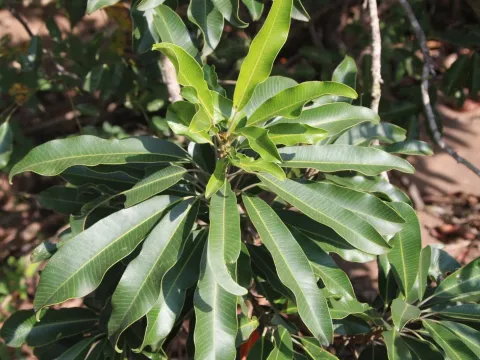
Protorhus
Protorhus Engl.
Protorhus (Protorhus Engl.) is a genus of evergreen trees belonging to the Anacardiaceae family. Native primarily to the tropical and subtropical regions of Southern Africa, these trees are often found in coastal forests and areas with stable, warm temperatures throughout the year.
What the section contains


Protorhus
The cultural requirements for Protorhus include a frost-free climate and plenty of sunlight. While young plants can tolerate partial shade, full exposure to light is necessary to maintain a dense crown and healthy foliage coloration as the trees mature.
Soil conditions should be characterized by high fertility and excellent drainage. Protorhus does not tolerate waterlogged soils, which can lead to rapid root decay. A slightly acidic to neutral substrate composition is generally considered optimal for the sustained growth of the species.
Agricultural management involves regular watering during dry spells to ensure steady development. Although established trees show some drought tolerance, supplemental irrigation during extreme heat is recommended to prevent leaf drop and metabolic stress within the vascular system.
The economic and landscape utility of Protorhus lies in its ornamental value and its use in tropical landscaping. Due to its dense foliage, it is sometimes employed as a windbreak or a structural element in botanical gardens and urban greening projects within its natural climate range.
The primary threats to Protorhus include various fungal diseases that thrive under high humidity and poor air circulation. Root rot is a significant risk in areas where drainage systems fail to remove excess moisture effectively after heavy rainfall.
Common pests include sucking insects such as aphids and scale insects, which target the tender new growth. In dry environments, spider mites may become a localized problem, especially if the tree is already experiencing physiological stress.
Disease prevention is largely dependent on maintaining adequate space between trees, which allows for consistent air circulation throughout the foliage. Regular monitoring of the bark and leaves is essential to identify early signs of pathogen colonization.
Sanitation practices, such as removing fallen leaves and pruning dead wood, help minimize the prevalence of harmful fungi. If chemical intervention is necessary, targeted applications should be used to avoid harming beneficial insects present in the garden ecosystem.
Physical protection of the trunk is also important to prevent mechanical injuries that provide entry points for pathogens. Maintaining proper soil nutrient balance also strengthens the plant's natural immune system, making it less susceptible to severe infestations.