
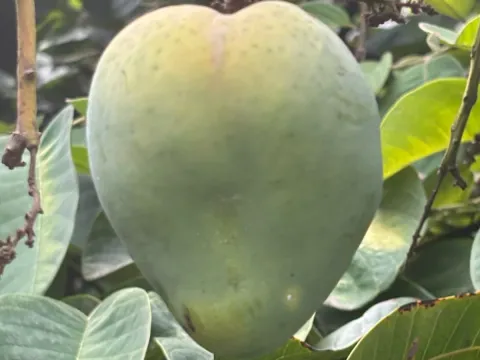
Mango
Mangifera
The genus Mangifera belongs to the Anacardiaceae family. These are large evergreen trees that, while capable of growing to significant heights in the wild, are managed through pruning in commercial agriculture to maintain a canopy height conducive to harvesting.
What the section contains


Mango
Native to South and Southeast Asia, mangoes are now cultivated throughout the tropical and subtropical regions of the world. They require a frost-free environment and a distinct dry season to stimulate flowering, which is essential for successful fruit set.
Ideal soil conditions include deep, well-draining loamy soils with a pH ranging from slightly acidic to neutral. Mango trees are notoriously intolerant of waterlogging, as their root systems are highly susceptible to phytophthora and other soil-borne pathogens under anaerobic conditions.
Climate requirements involve high solar radiation and consistent temperatures between +24 °C and +30 °C. The crop thrives in regions where the annual rainfall is moderate and well-distributed, though supplemental irrigation is often required during the fruit development stage.
Agronomic practices focus on balanced fertilization, specifically managing nitrogen to prevent excessive vegetative growth at the expense of fruit production. Regular pruning is necessary to remove dead wood and open the center of the tree to allow light penetration and air circulation.
Commercial mango yields vary significantly depending on the cultivar, rootstock, and planting density. In intensive orchards, proper management can yield substantial annual harvests, with production peaking once the trees reach full maturity after several years of growth.
Anthracnose (Colletotrichum gloeosporioides) is the most significant disease affecting mangoes, causing lesions on fruit, flowers, and leaves. Management involves rigorous sanitation and the strategic application of fungicides during the flowering period.
Pest management is equally critical, with the mango fruit fly and various scale insects being the primary concerns. Growers utilize integrated pest management (IPM) strategies, including pheromone traps and biological controls, to mitigate the damage caused by these insects.
Mango harvesting is a precise task, usually performed by hand to avoid bruising the delicate skin of the fruit. Growers must monitor the fruit's color, firmness, and the development of specific aromatic compounds to ensure harvesting occurs at the appropriate level of maturity.