
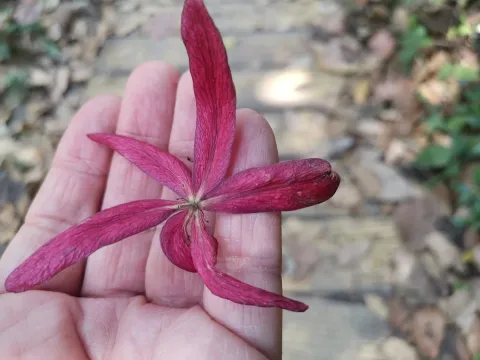
Melanorrhoea
Melanorrhoea
Melanorrhoea is a genus of tropical trees belonging to the Anacardiaceae family. These majestic plants are native to the dense tropical rainforests of Southeast Asia, thriving in ecosystems with high biodiversity and consistent environmental conditions.
What the section contains
Melanorrhoea
The tree requires a specific tropical climate to flourish. It demands consistently high temperatures throughout the year and high humidity levels, which prevent dehydration and support the metabolic functions necessary for resin production.
Soil quality is a fundamental requirement for successful growth. The species prefers deep, well-drained, and nutrient-rich soils. Waterlogged conditions must be avoided as they lead to root rot and significantly compromise the health of the tree.
Sunlight exposure is another vital factor. As a canopy-forming tree, it requires full sun or partial shade during its early stages. Adequate light penetration is essential for maintaining the vigor of the tree and ensuring its long-term productivity.
Agrotechnical management involves monitoring soil nutrient levels and ensuring that the tree is not overshadowed by faster-growing species. In plantations, maintaining adequate spacing between trees is crucial for optimal growth and ease of resin extraction.
The primary commercial product harvested from Melanorrhoea is a thick, viscous resin. This natural substance is highly valued for its ability to form a durable, waterproof, and lustrous finish when applied to various surfaces.
Harvesting is performed through the method of tapping. Skilled workers make precise incisions in the bark to induce the flow of the resin. This technique must be performed with extreme care to ensure the longevity of the tree and avoid irreversible damage.
The collected raw resin is carefully filtered to remove impurities such as wood fragments or debris. The purity of the final product is a key determinant of its market value in the artisanal and industrial sectors.
It is important to note that the raw sap of some Melanorrhoea species contains compounds that can cause contact dermatitis. Protective measures are standard protocol for harvesters to prevent skin irritation during the extraction process.
Once processed, the lacquer is used in high-end woodworking and traditional crafts. Its reputation for longevity and resistance to chemical degradation makes it a staple material in the decorative arts of Asian cultures.