
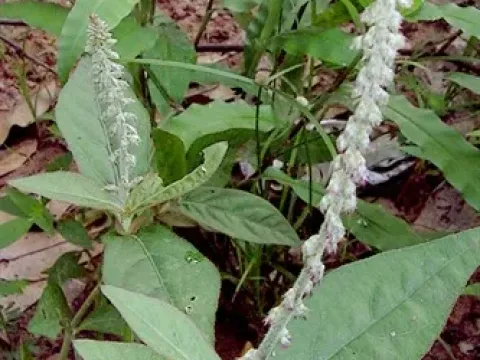
Cyathula
Cyathula
Cyathula seeds require proper preparation to ensure high germination rates. It is recommended to sow seeds in well-warmed soil during the late spring season to avoid frost damage.
What the section contains

Cyathula
The optimal sowing depth is quite shallow, typically 1–2 centimeters, due to the small size of the seeds. Maintaining adequate spacing between rows allows for better airflow and easier maintenance.
In regions with shorter growing seasons, starting plants indoors as seedlings is highly beneficial. Transplanting should be performed carefully once the plants reach the stage of having several true leaves.
It is essential to monitor the density of seedlings to prevent competition. Thinning is a critical step to ensure that each plant has enough space to develop a strong root system.
Consistent soil moisture is required for the first few weeks after sowing. Using a light mulch can help retain moisture in the surface layers of the soil where the seeds are germinating.
Cyathula belongs to the Amaranthaceae family and thrives in warm, sunny environments. It performs best in areas where it receives full sunlight throughout the main growing season.
The plant prefers light, well-drained soil with a neutral pH level. Avoiding heavy, waterlogged soils is vital because the species is sensitive to root rot caused by stagnant water.
Rich, fertile soil supplemented with organic matter produces the best results. If the soil is too acidic, applying lime before planting is recommended to optimize nutrient availability.
Although it exhibits moderate drought tolerance once established, regular irrigation during the peak growth phase is necessary for maximizing biomass and root health.
Standard agronomic practices include regular weeding and soil loosening between rows. This ensures that oxygen can reach the roots and prevents the surface from hardening.
The yield of Cyathula is primarily valued for its roots, which contain pharmacologically active compounds. Proper crop management is essential to achieve high-quality yields in terms of weight and purity.
The plant usually completes its development for harvest within one to two growing cycles. During the first year, it focuses on vegetative growth, while the roots accumulate active substances.
To increase total yield, balanced fertilization focusing on phosphorus and potassium is advised. This supports the development of a dense root system rather than just above-ground biomass.
Timely harvest is critical for yield quality. It should be performed when the concentration of target compounds is at its highest, typically during the end-of-season dormant period.
Success in production is measured not just by volume, but by the compliance of the final product with established quality standards for medicinal raw materials.
Young plants are particularly vulnerable to soil pests like wireworms and larvae of common beetles. Pre-sowing soil treatment is a common defensive measure in commercial farming.
High humidity levels often lead to fungal issues, such as powdery mildew or leaf spots. Improving ventilation between plants is the most effective way to prevent these outbreaks.
Crop rotation is a standard practice to reduce soil-borne disease pressure. Avoid planting Cyathula in fields where related species have been grown in the previous three years.
Aphids and mites can become problematic during hot, dry spells. Biological pest control methods are preferred to maintain the quality and organic status of the crop.
- Root rot
- Powdery mildew
- Wireworms
- Aphids
- Leaf spot diseases
The harvest period is during autumn, after the plant's aerial parts begin to senesce. This indicates that the energy is stored within the roots, the primary part of the plant used.
Roots should be carefully excavated to minimize physical damage. After harvesting, they must be washed thoroughly to remove all soil and debris to ensure product purity.
Drying is a delicate process that should be conducted in shaded, airy spaces or climate-controlled dryers at temperatures below 50 degrees Celsius to prevent degradation of active compounds.
Once dried, the raw material should be sorted and stored in breathable containers. Humidity control in the storage facility is crucial to prevent mold and quality loss.
Final soil preparation for the next cycle should include deep plowing and the incorporation of organic amendments to restore nutrients extracted by the crop.