
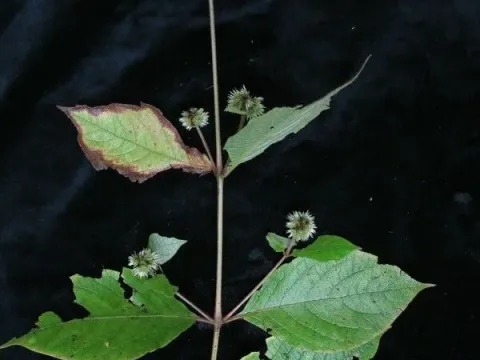
Cyathula capitata
Cyathula capitata
Cyathula capitata is a botanical species belonging to the Amaranthaceae family. Originally native to tropical regions of Africa and Asia, it is known for its resilience in warm environments and its distinct, spherical floral heads that distinguish it from related species in the genus.
What the section contains
Cyathula capitata
Morphologically, this plant features erect stems and opposite leaves, with a robust root structure that facilitates efficient nutrient uptake. Its growth habit is primarily herbaceous, and it thrives in ecological niches characterized by moderate sunlight and consistent soil moisture.
Cultivation requirements for this crop center on maintaining high ambient temperatures, ideally between 20°C and 30°C. Since it is highly sensitive to frost, industrial cultivation in temperate zones is usually conducted in greenhouses to ensure constant growth cycles and prevent cold damage.
The soil should be fertile, well-draining, and rich in organic matter to support the rapid biomass production of the plant. Proper irrigation management is critical, as Cyathula capitata requires high moisture levels but suffers significantly from root rot if water stagnation occurs in the root zone.
In terms of agricultural utility, the plant is primarily harvested for its bioactive compounds, which have been noted for their medicinal potential. Farmers focusing on industrial phytochemistry utilize specialized drying techniques to preserve the chemical integrity of the harvested plant material.
The primary threats to Cyathula capitata are fungal pathogens such as Rhizoctonia and Fusarium, which thrive in high-humidity cultivation environments. Implementation of drip irrigation and wide planting patterns is advised to facilitate airflow and reduce disease pressure.
Insect pests, including aphids and red spider mites, can significantly decrease foliage quality. Integrated Pest Management (IPM) strategies, incorporating beneficial insects and botanical pesticides, are recommended to maintain crop health without compromising the quality of the raw medicinal product.