
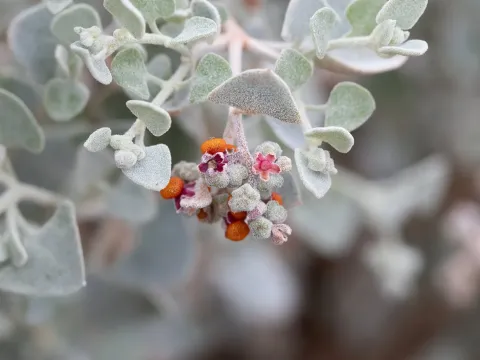
Curved-spike goosefoot
Chenopodium curvispicatum
Curved-spike goosefoot (Chenopodium curvispicatum) is a member of the Amaranthaceae family. Proper sowing requires waiting for soil temperatures to consistently reach at least 15°C to ensure uniform and rapid germination.
What the section contains
Curved-spike goosefoot
Seeds are typically sown at a shallow depth of 1-2 cm. Given their small size, it is essential to ensure adequate soil-to-seed contact by using light rollers during the planting process.
Row spacing should be maintained between 30 and 50 cm depending on the intended use—whether for forage production or grain harvesting—to optimize plant density and airflow.
Early season weed control is vital, as the crop grows slowly during its initial establishment phase and can be easily outcompeted by aggressive weeds if left unattended.
Selecting high-quality, certified seeds is the first step towards successful production, ensuring high vigor and resistance to unfavorable initial growing conditions.
The plant thrives in well-lit, sunny environments. Sufficient exposure to sunlight is critical for its metabolic processes and overall accumulation of biomass throughout the season.
Regarding soil preferences, it performs best in loose, fertile soils with a neutral or slightly alkaline pH. Good drainage is non-negotiable to prevent root rot and ensure healthy development.
While the crop exhibits moderate drought tolerance once established, consistent moisture levels during the peak growth period are necessary for maximizing output.
Effective nutrient management involves providing balanced nitrogen, phosphorus, and potassium levels, as excessive nitrogen can promote stem lodging and reduce grain quality.
This crop is well-suited to various climates but should be protected from extreme late-spring frosts, which can significantly damage young, vulnerable seedlings.
Fungal diseases, specifically downy mildew and powdery mildew, represent the most common threats to Chenopodium species under humid and poorly ventilated field conditions.
Insects like aphids and leaf miners can cause significant foliage damage. Regular monitoring of the field is necessary to catch infestations before they reach economic threshold levels.
Crop rotation remains the most effective defense strategy. Avoiding planting goosefoot in succession with other Amaranthaceae or Chenopodiaceae species disrupts the life cycle of local pathogens.
In cases of severe infestation, using targeted biological controls or appropriate, registered insecticides can help preserve the crop, provided that application timing is managed correctly.
Keeping the surrounding field margins clean of common weed hosts helps prevent the spread of viral diseases commonly transmitted by sap-sucking insects.
Harvesting is executed when the seeds reach full maturity, indicated by the characteristic change in color and a dry, firm texture of the curved spikes.
Modern harvesting equipment must be properly calibrated to reduce grain cracking and minimize losses during the collection process due to the small size of the seeds.
Post-harvest processing includes cleaning and drying the seeds to a moisture level below 14% to ensure long-term stability and prevent fungal growth during storage.
Storage facilities should be cool, dry, and well-ventilated to maintain seed quality over extended periods. Regular inspection is recommended to detect any signs of moisture increase.
With correct management, the harvested product serves as a versatile resource, valued for both its nutritional profile in human consumption and its utility in animal feed blends.