
Cornulaca
Cornulaca
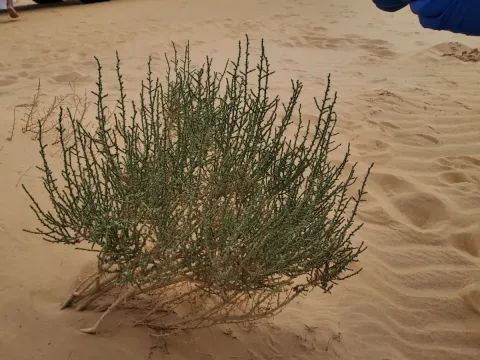
Cornulaca is a genus of plants belonging to the Amaranthaceae family, recognized for its exceptional resilience in arid desert regions. These plants are true xerophytes and halophytes, perfectly evolved to survive in environments with minimal rainfall and high temperatures.
What the section contains

Cornulaca
The native distribution of Cornulaca spans across the deserts of North Africa, the Middle East, and parts of Central Asia. It plays a critical environmental role by stabilizing sand dunes and preventing soil erosion in volatile desert ecosystems.
Botanical characteristics of the genus include woody or semi-woody stems with reduced, often spinous leaves. This morphology significantly reduces the surface area for transpiration, helping the plant conserve water during intense, prolonged drought periods.
In terms of soil requirements, Cornulaca thrives in sandy, stony, and saline substrates where most vegetation would perish. The plant has developed a deep, extensive root system capable of accessing moisture far beneath the surface of the desert floor.
Cultivation practices are limited, as the plant primarily exists in its natural wild state. It is highly adapted to erratic weather patterns and possesses seeds with high longevity, allowing them to remain dormant in the soil for years until suitable germination conditions arrive.
The agricultural and economic utility of Cornulaca is mainly centered on its role as forage for camels and nomadic livestock. Despite the thorny nature of its stems, it serves as a vital feed source in remote regions where other food options are scarce or unavailable.
Key threats to the plant include the intensification of overgrazing, which leaves the soil vulnerable to wind erosion. Regarding pathology, the plant can be affected by opportunistic fungal pathogens that thrive during rare humid spells, potentially causing localized die-back of branches.