
Cremnophyton
Cremnophyton
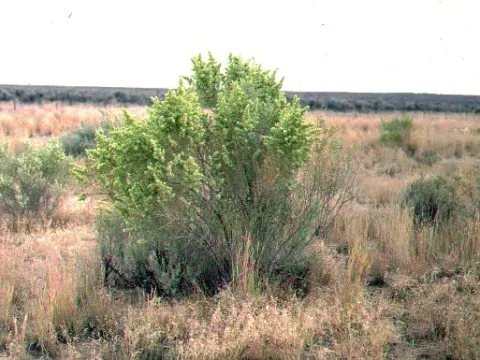
Cremnophyton is a genus of succulent plants within the Amaranthaceae family. These plants are scientifically notable for their ability to thrive in extremely harsh environments, particularly on the rocky coastal cliffs of Australia, demonstrating high stress tolerance.
What the section contains

Cremnophyton
Botanically, the plant is characterized by fleshy leaves that serve as water-storage organs. This structural adaptation is a classic example of xerophytic survival, allowing the plant to maintain metabolic functions during prolonged drought conditions in its natural habitat.
In terms of soil requirements, Cremnophyton demands exceptionally high drainage levels. Growing the plant in dense or waterlogged soil is strictly discouraged, as it rapidly leads to root rot and mortality. A gritty, mineral-rich substrate is the preferred medium for cultivation.
The plant necessitates a full-sun exposure to maintain its compact growth form and health. In controlled or field environments, providing adequate light intensity is the most critical factor for optimizing vegetative development and overall biomass accumulation.
Regarding climate adaptation, this culture is highly suited to arid and semi-arid zones. It exhibits a remarkable resistance to salt spray and saline soil conditions, suggesting potential for specialized land use where other agricultural crops would fail due to soil salinity.