
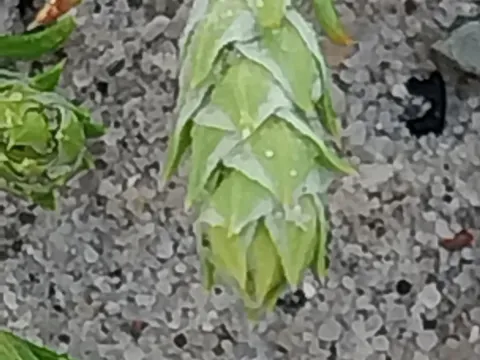
Corispermum intermedium
Corispermum intermedium
Corispermum intermedium, commonly known as a type of bugseed, is an annual herbaceous plant belonging to the Amaranthaceae family. It is typically found in arid and semi-arid regions, demonstrating a strong preference for sandy soils and disturbed habitats.
What the section contains
Corispermum intermedium
The plant originates from the Eurasian steppes. Its distribution is closely linked to its ability to colonize sandy dunes and gravelly substrates where nitrogen levels are generally low. It serves as a biological indicator of light, well-drained soil types.
Botanically, Corispermum intermedium is characterized by a taproot system that supports a branching stem. The leaves are narrow, linear, and often possess fine hairs, which help the plant retain moisture under intense solar radiation.
The climate requirements for this species are relatively modest; it thrives in high-temperature environments with low annual precipitation. It lacks cold tolerance compared to mesophytic species, making its growth restricted to warmer seasonal cycles.
From a technical standpoint, the plant is not considered a cultivated crop. Its presence is generally monitored as a weed, although it can provide essential ground cover in degraded environments to prevent wind erosion.
The plant is susceptible to several insect pests, including beetles and bugs that feed on the foliage and developing seeds. These organisms often use the plant as a temporary refuge before moving to nearby horticultural crops.
Pathogen risks include fungal infections like powdery mildew, which can spread rapidly under high humidity. While the plant is adapted to dry conditions, extreme humidity can trigger foliar diseases that may spill over to neighboring fields.
As a member of the Amaranthaceae family, it can harbor viral pathogens that affect agricultural crops like beets or spinach. Controlling its population is vital for maintaining the sanitary conditions of industrial agricultural areas.
Integrated weed management remains the most effective approach. This includes the use of mechanical cultivation and herbicide application targeted at broadleaf weed species to suppress its development during the early crop stages.
Monitoring the seed bank is essential for long-term control. Corispermum intermedium produces numerous seeds that can remain dormant in the soil for several seasons, requiring consistent tillage strategies to reduce its impact on crop yields.