
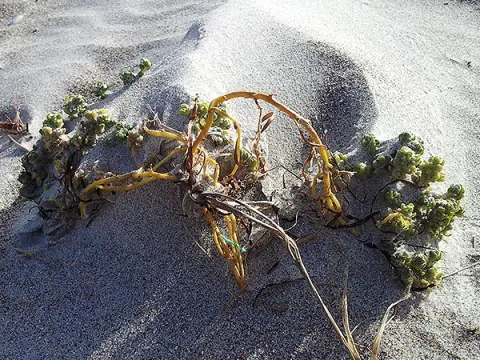
Brown's Amaranth
Amaranthus brownii
Brown's Amaranth (Amaranthus brownii) is a member of the Amaranthaceae family and is recognized as a rare endemic species. In agricultural practice, sowing this crop should only be carried out once the soil temperature has reached 15–18 degrees Celsius.
What the section contains
Brown's Amaranth
The optimal sowing window in natural conditions is late spring, once the risk of late frosts has completely passed. Because the seeds of this plant are extremely small, they should be sown at a shallow depth, no more than 1–2 centimeters, to ensure uniform germination.
Using precision seeders is highly recommended to prevent overcrowding of the crops. In specialized production, pre-germination testing is a common practice to ensure high seed viability before planting in the field.
Maintaining row spacing of approximately 45–60 centimeters allows the plants enough room to develop a robust root system. Sowing too early in cold soil often results in seedling failure due to soil-borne pathogens, making precise timing a critical factor.
Preparing a proper seedbed is essential: the soil must be well-tilled and completely free of competing weeds. Brown's Amaranth is highly sensitive to weed competition during its early growth stages, so timing the sowing to avoid peak weed pressure is vital.
This species requires a high level of solar radiation, as it is a strictly light-loving plant. For efficient photosynthesis, Amaranthus brownii needs direct sunlight throughout the day; shading leads to a significant decrease in biomass production.
The crop prefers light, well-drained sandy loam or loamy soils with a neutral to slightly alkaline pH. Waterlogging is extremely detrimental to the plant's crown, often leading to the development of root rot and other fungal issues.
Brown's Amaranth is characterized by high drought tolerance due to its specialized C4 photosynthetic pathway. Nevertheless, to achieve maximum green mass yield, consistent moisture is required during the initial stages of vegetative growth.
In terms of nutrition, the plant requires a balanced application of nitrogen fertilizers during the rapid growth phase. However, excessive nitrogen can cause stem lodging, so it is recommended to balance nitrogen with potassium and phosphorus supplementation.
The natural range is restricted to Norfolk Island, which defines its preference for mild climates without extreme temperature fluctuations. In agricultural settings, it requires protection from strong winds that can snap the relatively brittle stems.
The primary threats to this crop include soil-dwelling pests such as wireworms and nematodes, which damage the roots of young plants. Preventive measures, including deep autumn tillage and strict crop rotation, are essential for management.
Fungal diseases like powdery mildew and various leaf spots are common under high humidity conditions. Regular field aeration and the prompt removal of infected plant tissue are effective strategies to contain the spread of these pathogens.
Aphids and cutworms can cause significant damage by feeding on leaves and terminal buds. Management should rely on integrated pest control methods, prioritizing biological agents when pest outbreaks are detected early.
Weeds are major competitors for nutrients and light, especially during the early establishment phase. Selective herbicides may be used only after a careful phytosanitary assessment of the field to ensure crop safety.
Viral diseases represent a persistent risk, as they are often transmitted by insect vectors. Maintaining optimal growing conditions is key, as plants weakened by environmental stress are significantly more susceptible to viral infections.