
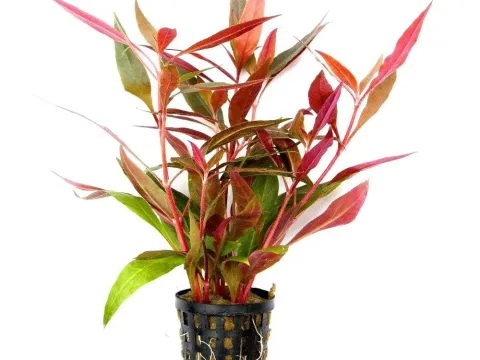
Alternanthera
Alternanthera
Sowing Alternanthera seeds in temperate climates is typically done in late winter or early spring using a nursery-grown method. The seeds are spread on the surface of moist soil without deep covering, as they require light to germinate effectively.
What the section contains
 Alligator weed
Alternanthera philoxeroides (Mart.) Griseb.
Alligator weed
Alternanthera philoxeroides (Mart.) Griseb.
 Alternanthera bettzickiana
 (Regel) G. Nicholson
Alternanthera bettzickiana
Alternanthera bettzickiana (Regel) G. Nicholson
 Alternanthera ficoidea
 (L.) P. Beauv.
Alternanthera ficoidea
Alternanthera ficoidea (L.) P. Beauv.
 Alternanthera porrigens
 Kuntze Revis.
Alternanthera porrigens
Alternanthera porrigens Kuntze Revis.
 Brazilian joyweed
Alternanthera brasiliana (L.) Kuntze
Brazilian joyweed
Alternanthera brasiliana (L.) Kuntze
 Khaki weed
Alternanthera pungens Kunth
Khaki weed
Alternanthera pungens Kunth
 Sessile joyweed
Alternanthera sessilis (L.) R. Br. ex DC.
Sessile joyweed
Alternanthera sessilis (L.) R. Br. ex DC.
Alternanthera
To ensure successful germination, it is necessary to maintain a temperature range between 22 and 25 degrees Celsius. Containers are covered with plastic or glass to create a greenhouse effect, ensuring stable air humidity for the developing seedlings.
Pricking out the seedlings is performed once the first pair of true leaves appears. Plants require gentle handling at this stage, as their root system is fragile and highly sensitive to mechanical damage or improper transplanting techniques.
Transplanting the seedlings into open ground is only carried out after the risk of frost has passed. Alternanthera is heat-loving, so the ideal time for moving plants to their permanent location is late May or early June.
For vegetative propagation, cuttings are taken from mother plants in late summer or early autumn. They are rooted in moist sand or water, which allows for the preservation of desirable varietal characteristics and ensures high-quality planting material for the next season.
Alternanthera belongs to the Amaranthaceae family and requires significant sunlight for its development. Bright light is a key factor for the expression of vibrant leaf pigmentation, which is the primary ornamental feature of this crop.
The crop prefers light, fertile, and well-drained soils with a neutral to slightly acidic pH. It is essential to avoid sites with standing water, as the root system is prone to rapid decay under conditions of excessive moisture or poor aeration.
The optimal temperature range for active growth is between 20 and 28 degrees Celsius. If the temperature drops below 10 degrees, growth essentially stops, and prolonged exposure to cold may cause the plant to die.
Watering should be regular but moderate, ensuring the top layer of soil dries slightly between sessions. During hot summer months, the plant responds positively to leaf misting, which helps maintain turgor and prevents tissue overheating.
Regular fertilization with complex mineral nutrients is required for vigorous green mass production. Nitrogen-based fertilizers are applied early in the season, while phosphorus and potassium are added during the growth phase to strengthen stems.
The primary threats to Alternanthera health are fungal diseases that develop under improper humidity management. Root rot is a common consequence of overwatering, making the maintenance of a functional drainage system absolutely critical.
Pests commonly found on this crop include spider mites and whiteflies. These insects proliferate rapidly in dry and hot microclimates, feeding on leaf sap and significantly hindering the plant's overall development.
Powdery mildew may affect the leaves during periods of sharp temperature fluctuations and high humidity. Prevention consists of maintaining optimal planting density to ensure proper air circulation throughout the crop canopy.
For pest control, systemic insecticides or biological protection agents are recommended. Regular inspection of the undersides of leaves allows for the early detection of insect colonies and prevents widespread infestation across the site.
Following crop rotation protocols and the timely removal of weeds helps reduce the risk of pathogen spread. It is vital to use only healthy planting material to prevent the introduction of infections into the cultivation area.
Harvesting Alternanthera for decorative use or for propagation material is carried out as the plant reaches its peak maturity. In southern regions, it is often grown as a perennial, while in temperate zones, it typically requires annual renewal.
When used in aquascaping, stems are pruned with sharp, sterilized tools to stimulate branching and maintain a lush, compact shape. This process ensures the crop remains aesthetically pleasing throughout the entire growing season.
Mother plants intended for winter storage are dug up before the first autumn frost. They are transferred into pots with nutrient-rich substrate and kept in bright, indoor environments with a temperature of at least 15 degrees Celsius.
Cuttings collected for propagation must be healthy and free of mechanical damage or pest infestations. Proper storage of these cuttings requires controlled conditions that prevent tissue dehydration while promoting fast root development.
Biomass residues remaining after the season can be used as compost components, provided the plants were not affected by diseases. This practice allows for the recycling of organic matter and helps improve long-term soil fertility.