
Alternanthera amabilis
Alternanthera amabilis
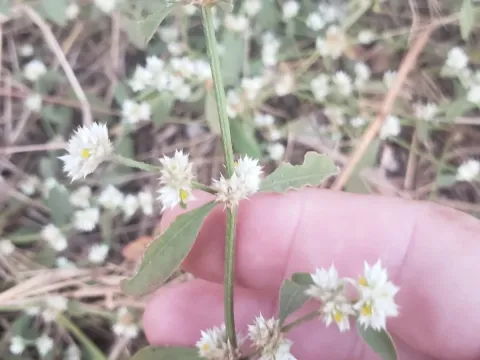
Alternanthera amabilis is a herbaceous ornamental plant belonging to the Amaranthaceae family. It is widely recognized for its vibrant, multi-colored foliage, which ranges from deep purple and bronze to bright pink, making it a staple in decorative horticulture.
What the section contains
Alternanthera amabilis
Native to tropical regions of South America, this species thrives in warm and humid environments. In temperate regions, it is cultivated primarily as an annual ornamental or a houseplant, as it is highly sensitive to cold temperatures and frost, which can cause irreparable damage.
The plant requires full sun exposure to maintain its characteristic intense leaf coloration. In low-light conditions, the plants tend to become leggy and lose their vivid hues, shifting toward a dull green color, which significantly diminishes their aesthetic value in garden arrangements.
Ideal soil for cultivation should be rich in organic matter, well-draining, and have a slightly acidic to neutral pH. Proper drainage is essential, as the roots are highly susceptible to rot if they remain in waterlogged or heavy, compacted soil for extended periods.
Maintenance includes consistent moisture, regular fertilization during the growing season, and frequent pruning. Pruning is crucial to encourage lateral growth, which transforms the plant into a dense, carpet-like cover, ideal for borders or container displays.
Spider mites are the most common pest, especially in dry and indoor environments. Infestations typically appear as fine webbing on the undersides of leaves, and they can be managed with insecticidal soaps or specific acaricides if identified early.
Root rot is a major threat caused by overwatering or poor soil drainage. To prevent this, ensure that the top layer of the substrate dries out slightly between irrigation sessions, and always prioritize pots with adequate drainage holes when growing in containers.
Fungal leaf spots can occur when foliage remains wet for prolonged periods, especially in shaded or poorly ventilated areas. Keeping the leaves dry and ensuring good air circulation around the plants are primary preventative measures against these pathogens.
Aphids can occasionally infest the growing tips of the plant, causing distorted leaves. These pests should be removed manually or treated with neem oil or mild organic insecticides to prevent them from spreading across the planting bed.
Nutrient deficiencies, particularly magnesium or nitrogen, can lead to chlorosis. Regular application of a balanced, water-soluble fertilizer helps maintain the health of the plant and supports the development of its brilliant, rich foliage throughout the season.