
Aerva
Aerva
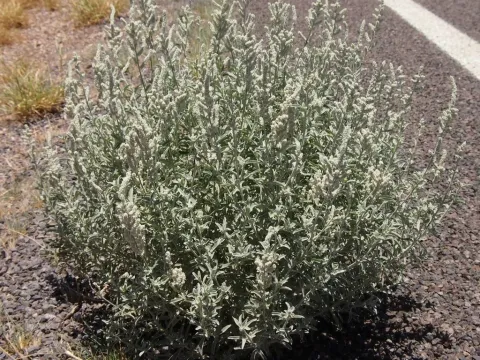
Aerva lanata, a member of the Amaranthaceae family, is a perennial herb valued primarily for its medicinal properties. In cooler regions, it is cultivated as an annual crop due to its low frost tolerance.
What the section contains


Aerva
Originating from tropical zones in Asia and Africa, the plant thrives in warm climates and requires full sun exposure to reach its maximum physiological potential and biomass yield.
The ideal soil conditions for Aerva cultivation include well-drained, sandy loam or loamy soils with good aeration. It is sensitive to waterlogging, which often leads to root damage.
Adequate soil fertility is essential, as the plant responds well to organic matter and balanced fertilization. Maintaining a neutral soil pH is recommended for optimal nutrient uptake.
Due to the small size of the seeds and slow initial growth, propagation is usually handled in controlled nursery conditions before transplanting seedlings into the main field.
Root rot and damping-off disease are the primary threats, especially during the early stages of growth if the soil moisture levels are not carefully monitored and controlled.
Pests such as aphids and spider mites can infest the foliage, particularly in hot and dry conditions, leading to stunted development and reduced secondary metabolite production.
Soil-borne nematodes pose a significant risk in fields where the crop is grown continuously, necessitating the implementation of proper crop rotation strategies to minimize impact.
Weed competition is a major challenge during the first weeks after transplanting; manual or mechanical weeding is necessary to prevent the crop from being overwhelmed.
Fungal leaf spots may occur during periods of high humidity and poor field ventilation, requiring prophylactic measures and spacing adjustments to improve airflow.
The harvest phase is critical for the chemical composition of the plant. Harvesting is typically conducted during the full bloom stage to ensure the highest concentration of active compounds.
The aerial parts are cut and processed immediately to prevent degradation. Efficient drying at temperatures between 40-45 degrees Celsius is required to maintain high quality.
Aerva lanata is widely used in traditional and modern medicine, specifically for its diuretic and anti-inflammatory properties, making it a valuable commercial crop for the herbal industry.
Proper post-harvest handling ensures that the medicinal properties, including specific flavonoids and alkaloids, remain stable during storage and transportation to manufacturing facilities.
Yield management involves regular monitoring of the plant maturity, as delaying the harvest past the peak blooming stage can lead to a decrease in the quality of the harvested biomass.