
Lophotocarpus
Lophotocarpus
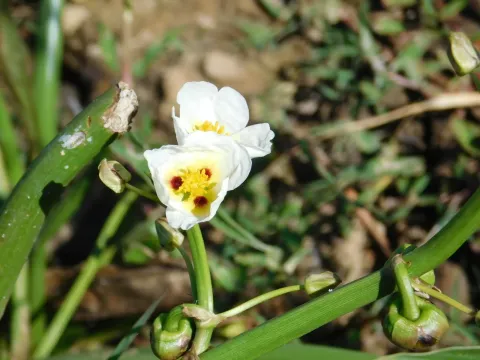
Lophotocarpus is a genus of aquatic plants belonging to the Alismataceae family. These plants are adapted to growing in saturated soils or shallow water, making them specialized components of wetland ecosystems.
What the section contains
Lophotocarpus
Propagation is typically performed during the spring season. While seeds can be utilized, vegetative propagation through the division of rhizomes is the preferred method for agricultural cultivation due to higher success rates and faster establishment.
The planting process involves placing the rhizomes into a nutrient-rich muddy substrate. Proper spacing is essential to ensure that each plant has enough room for root development and access to sunlight as the colony expands.
Early maintenance after sowing is crucial for survival. Water levels must remain constant, as any significant drop can expose the sensitive root systems to air, potentially causing permanent damage to the young plants.
As the plants establish themselves, they form dense mats that can help stabilize the substrate. Monitoring these colonies during the first growing season is necessary to manage expansion and ensure optimal density for the site.
The primary requirement for Lophotocarpus is a stable water environment. The plants thrive in shallow, stagnant, or slow-moving water bodies that provide consistent access to moisture and organic-rich sediments.
High levels of sunlight are necessary for the vigorous growth of this species. Shaded areas often result in stunted growth and a significant reduction in the plant's ability to produce robust foliage throughout the season.
Temperature plays a vital role in the metabolic processes of Lophotocarpus. The species prefers warm conditions and generally struggles in cold or freezing water, requiring a temperate climate for successful cultivation.
The chemical composition of the water should be monitored regularly. Neutral pH levels are ideal, as extreme alkalinity or acidity can inhibit the nutrient uptake of the roots and lead to visible signs of stress, such as yellowing leaves.
Soil quality should be high, with sufficient organic matter to support the rhizomes. If the natural bottom of the pond lacks nutrients, applying slow-release aquatic fertilizers can significantly boost plant health and overall vigor.
Fungal pathogens represent the most significant threat to the health of Lophotocarpus. These infections typically manifest as leaf spots or stem rot, often triggered by prolonged periods of humidity and stagnant air circulation.
Insect pests, including various species of aphids, can infest the foliage during warm summer months. These pests cause damage by feeding on plant sap, which can weaken the plant and make it susceptible to secondary infections.
Competition from aggressive aquatic algae is a major challenge for growers. Excessive algae blooms strip the water of essential nutrients and oxygen, which may lead to the decline of the Lophotocarpus population if left unmanaged.
Herbivory by pond-dwelling mollusks or crustaceans can damage the structural integrity of the plants. This physical damage can create entry points for pathogens, potentially leading to the rapid decay of affected specimens.
To mitigate these risks, it is essential to implement an integrated management plan. This includes regular inspection, mechanical removal of diseased parts, and the use of approved, aquatic-safe treatments to control pest populations.