
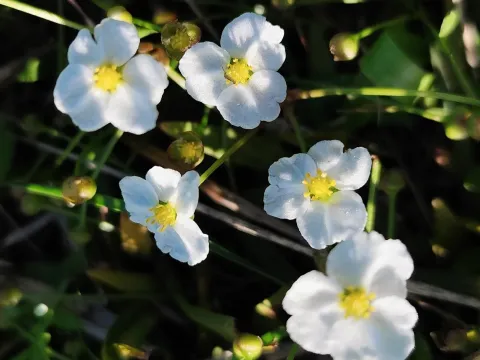
Helanthium
Helanthium
Helanthium is a genus of aquatic and marsh plants belonging to the Alismataceae family. Originally native to the tropical and subtropical regions of the Americas, these plants are widely recognized for their adaptability to aquatic environments.
What the section contains


Helanthium
Botanically, Helanthium species feature a basal rosette of leaves and typically propagate through runners. Their morphology can vary significantly depending on whether the plant is grown submerged or in a marshy, emersed state.
Cultivation requires specific environmental parameters, including high light intensity and stable water temperatures ranging from 22 to 28 degrees Celsius. Water hardness should be monitored to ensure it remains within the optimal range for the species.
The substrate plays a vital role in the health of Helanthium. A nutrient-rich, fine-grained soil or aquatic substrate is essential for proper root development and long-term vitality of the plant.
Agricultural management includes the regular administration of CO2 and micronutrients, particularly iron, which is critical for maintaining vibrant leaf coloration and preventing structural degradation of the plant tissue.
The primary threat to Helanthium is the invasion of various algae species. Algal blooms, particularly thread algae, can rapidly cover the foliage, inhibiting photosynthesis and leading to the eventual death of the plant.
Root rot is a common pathological issue often caused by poor water circulation and the accumulation of organic debris in the substrate. Maintaining a clean and aerated root environment is a critical preventive measure.
Pests such as aphids and spider mites can infest Helanthium if it is grown in a semi-aquatic or emersed environment. Integrated pest management or specialized treatment is necessary to control these populations.
Chlorosis, manifesting as yellowing leaves, is a frequent symptom of iron deficiency. If untreated, the plant becomes weakened, making it more susceptible to opportunistic secondary infections and mold.
Environmental stress, such as sudden changes in light spectrum or water chemistry, can cause leaf melting. This condition requires an immediate assessment of the tank parameters to restore the biological equilibrium of the cultivation system.