
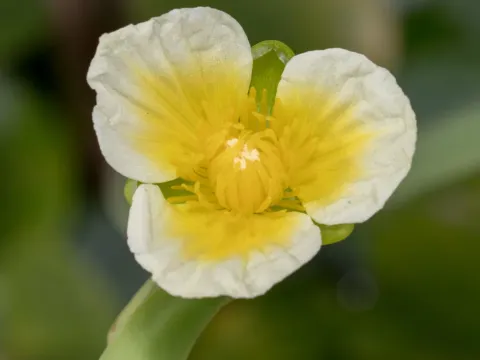
Limnocharis
Limnocharis
Limnocharis flava is a perennial aquatic plant belonging to the Alismataceae family. Known for its adaptability to wetland environments, it is primarily cultivated in tropical regions where water availability is consistent throughout the year.
What the section contains

Limnocharis
In commercial agriculture, the crop is propagated mainly through vegetative division of the rootstock, which ensures genetic uniformity. Seeds can also be used, although they require a specific moisture-rich substrate for successful germination.
Planting is conducted in shallow water paddies or basins where water depth is maintained between 10 and 20 cm. Proper bed preparation is essential, as the plant relies on a nutrient-rich muddy substrate to anchor its roots.
A planting density of 30–40 cm between individual plants is recommended. This spacing facilitates optimal growth of the leafy rosette and ensures that each plant receives adequate light and nutrients for rapid biomass accumulation.
Effective establishment requires a well-prepared muddy bed enriched with organic matter. Initial soil fertilization is critical to jump-start the vegetative phase, allowing the plants to thrive in their aquatic habitat.
Limnocharis requires high light intensity to maximize photosynthetic activity. In environments with heavy shading, the plant tends to produce elongated, weak petioles and lower total biomass, which decreases its commercial appeal.
The plant is highly sensitive to cold temperatures, thriving best in a temperature range of +22°C to +30°C. Frost or sustained cool weather will halt growth and may lead to plant death, making it strictly a tropical crop.
Water management is the most important aspect of its cultivation. The water level must be kept stable, as sudden drops can stress the plant, and stagnant conditions may lead to poor water quality and root health issues.
The substrate should be rich in nitrogen and phosphorus, which are absorbed effectively from the aquatic environment. Regular monitoring of the water pH is advised, as excessively acidic water can hinder nutrient uptake.
Continuous circulation of water in the cultivation area is beneficial for oxygenation and nutrient distribution. Stagnant water can lead to the accumulation of waste products, potentially promoting root diseases.
The harvested product consists primarily of young leaves and flower stalks. These parts are prized in various cuisines for their texture and flavor, making Limnocharis a high-value vegetable in local markets.
Yields are maintained through frequent harvesting, which stimulates the plant to produce new shoots from the rhizome. This cyclical harvesting method allows producers to obtain multiple crops within a single season.
With proper fertilization and management, Limnocharis can be highly productive, providing a steady supply of greenery. The crop’s rapid regeneration rate is its most significant economic advantage.
Post-harvest, the leaves are highly perishable. They must be processed or marketed immediately to avoid wilting. Proper packaging, such as moisture-retaining materials or cool storage, is necessary for maintaining quality.
Beyond human consumption, the plant serves as a high-quality forage crop for livestock, particularly ducks and pigs. Utilizing surplus foliage as animal feed enhances the overall profitability of the farm operation.
Mollusks, such as snails, are among the primary threats to Limnocharis plantations. They feed on the tender young leaves, potentially destroying a large portion of the crop if their population is not controlled.
Various leaf-eating insects can also cause significant damage during the peak growing season. Integrated pest management, involving careful monitoring and biological controls, is preferred over chemical methods.
Fungal infections often occur when there is poor air circulation or overcrowding within the paddy. Maintaining appropriate plant spacing and ensuring the water quality remains high are the most effective preventative measures.
Root rot is typically associated with oxygen-depleted soil and excessive organic accumulation. Maintaining clean, flowing water helps mitigate the risks of soil-borne pathogens that target the root system.
- Snails and mollusks — leaf damage.
- Leaf-chewing insects — reduction in marketable biomass.
- Root rot pathogens — decay of the rhizome and roots.
Harvesting is performed manually to ensure the delicate leaves and petioles are not damaged. Workers carefully prune the mature shoots from the base of the plant, leaving the central rhizome intact for regrowth.
Early morning is the ideal time for harvesting, as the plants are fully turgid and have the highest moisture content. This maximizes the shelf life and appearance of the produce when it reaches the market.
The timing of each harvest is determined by the development stage of the leaves. Skilled harvesters select only the most tender shoots, avoiding older, tougher leaves that are less desirable for culinary use.
Once harvested, the foliage is rinsed to remove mud and debris before being sorted into standard bundles. Proper sorting ensures consistency in the product, which is essential for obtaining premium market prices.
Transporting the product requires ventilated containers and protection from heat. By keeping the bundles moist, producers ensure that the Limnocharis retains its freshness throughout the supply chain.