
Narrowleaf water-plantain
Alisma gramineum
Description
Growing requirements
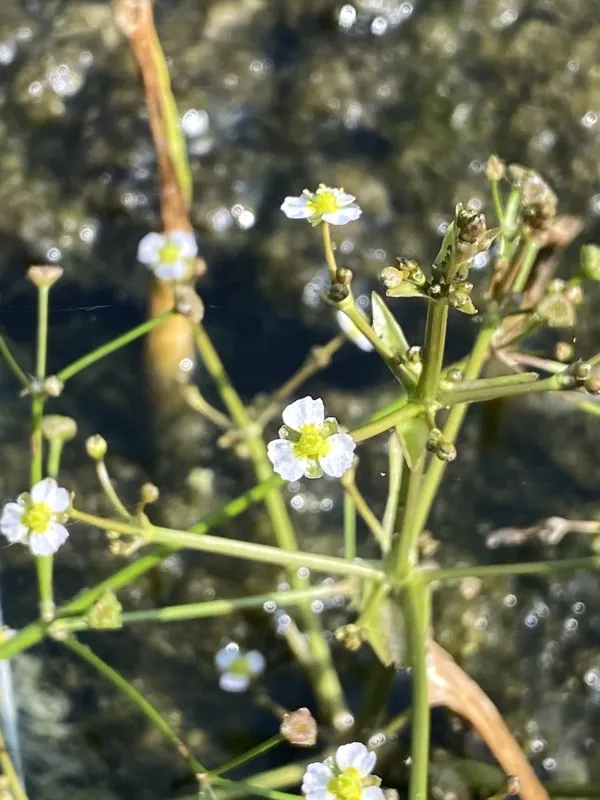
Narrowleaf water-plantain (Alisma gramineum) is a perennial herbaceous plant belonging to the Alismataceae family. It is recognized as a specialized hydrophyte, exhibiting remarkable adaptability to both submerged and emergent growth conditions in aquatic environments.
Botanically, the species is defined by its distinct linear, grass-like leaves, which distinguish it from other members of the genus Alisma. This morphological feature allows it to thrive in moving waters and silted substrates typical of irrigation channels and wetlands.
The native distribution covers temperate regions of the Northern Hemisphere. In agricultural settings, it is often encountered as a flora component in rice paddies and drainage systems where precise water management dictates its density and distribution patterns.
Climatic and soil requirements focus on moisture availability. The plant thrives in nutrient-rich organic soils, specifically those with high silt or clay content, and requires consistent hydrologic conditions to complete its life cycle effectively.
From an agricultural management perspective, this plant is increasingly valued for its role in phytoremediation. Its ability to absorb excess nutrients and stabilize substrates makes it a candidate for restoring aquatic ecosystems and managing water quality in artificial reservoirs.
Main diseases and pests
The primary threats to Alisma gramineum include significant changes in water level fluctuations and chemical pollution of water bodies. Excessive herbicide runoff from adjacent agricultural lands can severely inhibit the plant's growth and survival.
Common biological threats involve fungal pathogens that affect the foliage during periods of low water flow and high temperatures. Additionally, several species of aquatic insects and mollusks are known to graze on the plant's tissues, potentially causing localized damage during the active growing season.