
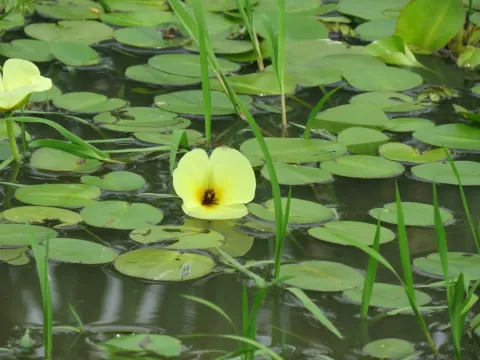
Hydrocleys
Hydrocleys
Hydrocleys is a genus of perennial aquatic plants belonging to the Alismataceae family. Native to the tropical regions of South America, these plants are well-adapted to stagnant or slow-moving freshwater bodies, thriving in nutrient-rich muddy substrates.
What the section contains


Hydrocleys
The plant is known for its floating leaves and attractive, bright yellow, three-petaled flowers that rise just above the water surface. Its rapid growth habit makes it an excellent choice for covering the surface of ponds and controlling excessive sunlight penetration.
Cultivation requires high temperatures and abundant sunlight. Ideally, the water temperature should stay between 20°C and 28°C for optimal growth. As a tropical species, it cannot survive freezing temperatures and requires winter protection in temperate climates.
Regarding soil requirements, Hydrocleys thrives in heavy, nutrient-dense substrates such as clay-rich soil mixed with organic compost. It is commonly planted in pots submerged at a depth of 10 to 30 cm, allowing the stems to spread naturally across the water surface.
The primary use of Hydrocleys is ornamental, serving as a staple in water gardening and artificial pond design. Beyond aesthetics, it provides shelter for aquatic life and helps maintain water clarity by outcompeting algae for available nutrients.
The primary threat to Hydrocleys is cold stress. Exposure to temperatures below 15°C will cause the plant to stop growing, and frost will result in total plant death, necessitating indoor overwintering in cooler geographic zones.
Common pests include aphids and leaf-eating caterpillars, which can quickly defoliate the floating leaves. Regular monitoring is essential to catch infestations early before they significantly impact the overall health and vigor of the colony.
Fungal infections can occur if the plant is stressed by inadequate light or poor water circulation. Rotting leaves should be promptly removed, as decaying organic matter negatively affects water quality and encourages the proliferation of pathogens.
In managed aquatic systems, maintaining water balance is critical. Extreme changes in water pH or excessive mineral salt accumulation can inhibit flowering and cause chlorosis, where leaves turn yellow due to nutrient uptake interference.
Preventive maintenance involves regular pruning to manage density. By thinning out the stems periodically, gardeners ensure better light penetration and airflow, which significantly reduces the risk of disease outbreaks within the dense mats of foliage.