
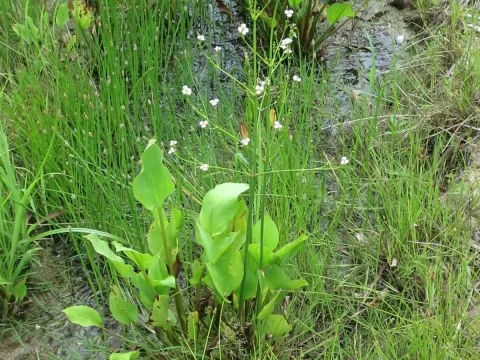
Alisma orientale
Alisma orientale
Alisma orientale, commonly known as oriental water plantain, is a perennial aquatic plant belonging to the Alismataceae family. For commercial cultivation, seeds are sown in early spring when the water and soil temperatures reach approximately 12–15 degrees Celsius.
What the section contains
Alisma orientale
Propagation is primarily achieved through seeds or by rhizome division. Pre-soaking seeds in water is a recommended practice to improve germination rates and ensure a more uniform establishment of the crop in the aquatic environment.
When using the seedling method, seeds are planted in trays containing a nutrient-rich moist substrate under protected conditions. This approach allows for better control over early growth stages before transplanting into permanent water bodies.
Optimal planting density is around 4–6 plants per square meter. Proper spacing is essential to minimize competition for nutrients and light, which ultimately leads to a higher quality and volume of the harvested rhizomes.
Preparation of the pond bed is crucial; the substrate should be enriched with organic matter to support the rapid development of the root system during the plant's active growing season.
This crop has specific requirements for water depth, thriving best in shallow areas with water levels between 5 and 30 centimeters. The plant prefers silt-rich, fertile soils that provide steady access to essential mineral nutrients.
Alisma orientale is a heliophyte, meaning it requires full sun exposure for optimal photosynthesis. Shaded environments can significantly hinder growth and reduce the plant's ability to accumulate pharmaceutical compounds in its rhizomes.
The ideal temperature for development is between 20 and 25 degrees Celsius. While the plant can tolerate minor temperature fluctuations, consistent warmth during the summer months is necessary for maximizing biomass production.
Water quality is paramount for commercial production. The water should be free from heavy metals, pesticides, and excessive pollutants to ensure that the final medicinal product meets safety and quality standards.
Proper water circulation is necessary to provide oxygen to the root zone and prevent the accumulation of toxic compounds that can result from anaerobic decomposition in stagnant pond environments.
The commercial yield of Alisma orientale is measured by the weight of dried rhizomes. On average, well-maintained plantations can produce between 2 and 4 metric tons of high-quality dried raw material per hectare.
Peak productivity typically occurs during the second or third year of growth. After this period, nutrient depletion in the substrate often necessitates replanting to maintain optimal yields for the next production cycle.
Water level control within the production beds is the most significant factor affecting yield. Maintaining consistent moisture prevents stunted growth during dry spells, which is critical for ensuring a stable harvest output.
Regular monitoring of rhizome development and testing for the concentration of triterpenoids—the primary bioactive compounds—allows farmers to adjust fertilization and management practices for better performance.
Selecting high-performing varieties that prioritize rhizome enlargement over seed production is a key strategy for maximizing the economic return of an Alisma plantation.
Common threats to Alisma orientale include fungal infections such as leaf spot and various types of root rot. These pathogens thrive in stagnant water or areas with poor sanitation and insufficient water exchange.
Insect pests that consume foliage can significantly reduce the photosynthetic capacity of the plant. Additionally, certain types of aquatic snails may damage young stems and leaves during the early stages of plant development.
Integrated pest management strategies are used to mitigate risks, including mechanical removal of diseased plant parts and careful cleaning of the aquatic area to prevent the spread of infectious pathogens.
Competition from aggressive algae and other aquatic weeds can severely suppress the growth of the crop. Regular weeding and pond maintenance are essential to keep the crop healthy and competitive throughout the growing season.
Chemical control options are strictly limited to protect the sensitive aquatic ecosystem, emphasizing the importance of biological control and good agronomic practices in maintaining a healthy crop stand.
The harvest of Alisma orientale takes place in late autumn, once the vegetative growth has ceased and the above-ground parts begin to wither. This timing ensures that the rhizomes are mature and have reached peak bioactivity.
Rhizomes are carefully excavated from the muddy substrate, using manual or light mechanical tools to ensure minimal damage. Careful extraction is necessary to preserve the integrity and quality of the raw material.
Immediately after harvest, the rhizomes are washed thoroughly to remove silt and organic debris. This cleaning step is essential for preparing the material for the drying process and meeting industry quality requirements.
Drying is performed in climate-controlled rooms or specialized dryers at temperatures not exceeding 60 degrees Celsius. Maintaining the correct temperature is critical to prevent the degradation of heat-sensitive medicinal compounds.
Once dried, the rhizomes are stored in cool, dry, and well-ventilated areas to protect them from moisture and pests, ensuring the product remains stable until it is shipped for further pharmacological processing.