
Narrow-leaf water plantain
Alisma canaliculatum
Description
Sowing dates
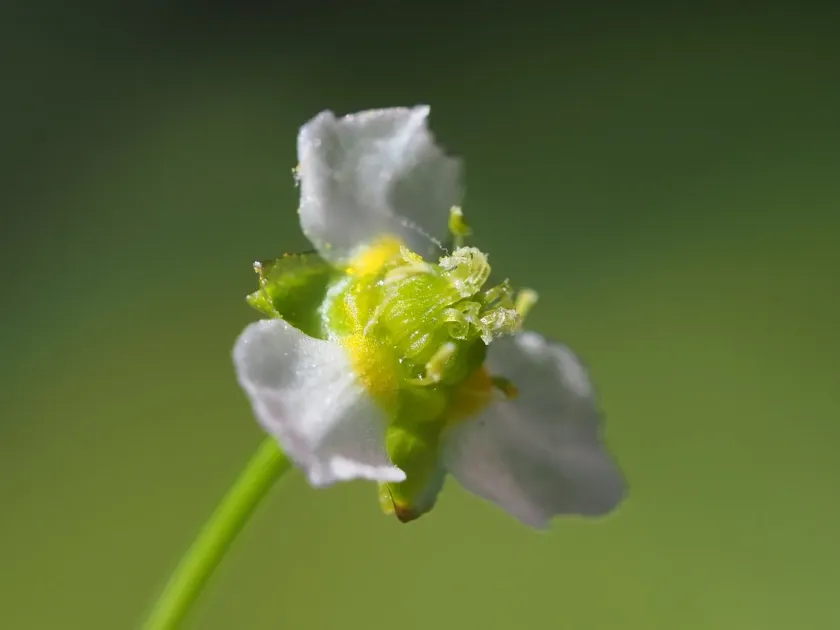
Alisma canaliculatum, commonly known as the narrow-leaf water plantain, is a perennial aquatic herb belonging to the Alismataceae family. In agricultural and horticultural contexts, the plant is propagated mainly through seeds or rhizome division.
Sowing should be performed in late spring or early summer when water and soil temperatures are sufficient to trigger germination. An optimal range for sprouting is between 18 and 22 degrees Celsius.
Seeds are sown into moist substrate or directly into the bottom silt at a depth not exceeding 1–2 centimeters. Maintaining consistent moisture levels is critical, as the seedlings are highly susceptible to drying out during the initial establishment phase.
For container-grown seedlings, a nutrient-rich mixture of peat and sand is recommended. Once the plants develop several true leaves, they should be gradually acclimatized to aquatic environments to ensure better survival rates upon transplanting.
Vegetative propagation via rhizome division is typically performed in autumn as the plant enters dormancy. This method provides a reliable way to expand existing stands and ensures the production of robust, mature plants for pond landscaping.
Growing requirements
As an obligate hydrophyte, the narrow-leaf water plantain requires a permanent aquatic environment. It thrives best in shallow waters, ideally at depths ranging from 5 to 30 centimeters, which supports its root development.
The species has high light requirements; it should be placed in areas with full sun exposure. Shade-grown plants often exhibit weaker stems and reduced flowering, which decreases their ornamental and ecological value.
Soil requirements are centered on nutrient-rich, silty substrates that are characteristic of stagnant or slow-moving water bodies. The pH should be neutral to slightly acidic, as extreme values can impede nutrient uptake.
Low-flow environments are ideal for this species. In stagnant ponds or artificial wetlands, the plant effectively absorbs minerals from the sediment, contributing to the overall balance of the aquatic ecosystem.
Alisma canaliculatum is well-adapted to temperate climates. It demonstrates strong resilience to seasonal fluctuations, provided the root system remains insulated from freezing temperatures during the winter months.
Main diseases and pests
The primary threats to the species include fungal infections that manifest as leaf spots. These are typically triggered by poor water circulation, high humidity, and lack of oxygen in the root zone.
Insect pests, such as leaf beetles, can cause significant damage to the foliage. Regular monitoring is essential to detect early infestations and implement organic or mechanical control methods to protect the plant.
Aphids can target flower stalks, leading to stunted growth and reduced reproductive success. Control measures are necessary during the budding phase to ensure the plant maintains its vigor throughout the growing season.
Competition from filamentous algae is a common issue in artificial ponds. Rapid algal growth can deplete resources, preventing the water plantain from establishing itself effectively in the environment.
Maintaining a healthy ecological balance in the pond, including appropriate stocking densities and nutrient management, serves as the best preventative strategy against disease and pest outbreaks.
Harvesting
The utilization of Alisma canaliculatum is primarily focused on ornamental landscaping and phytoremediation of water bodies. Harvesting of the aerial parts is typically done during the peak of the flowering season.
Rhizomes intended for medicinal or research purposes are harvested in the autumn. The plants are carefully removed from the silt, washed thoroughly to eliminate sediment, and prepared for drying under controlled conditions.
Drying should take place at temperatures below 40 degrees Celsius in well-ventilated areas to preserve the integrity of the bioactive compounds. Excessive heat can degrade the chemical quality of the harvested material.
Once dried, the rhizomes must be stored in a cool, dark, and dry place to prevent moisture accumulation and subsequent mold growth, which would compromise the quality of the stored resource.
In garden maintenance, the removal of spent flower spikes is recommended to improve aesthetics and redirect the plant's metabolic energy toward strengthening the root system before the onset of winter.