
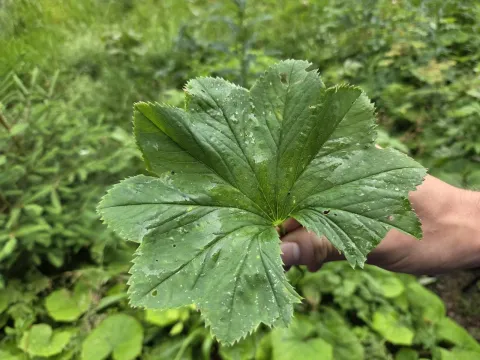
Alchemilla lineata
Alchemilla lineata
Alchemilla lineata is a perennial herbaceous plant belonging to the Rosaceae family. Originally native to high-altitude and montane regions, it has developed significant tolerance to cooler environments and temperate climates.
What the section contains
Alchemilla lineata
This crop thrives in well-drained, fertile soil with a neutral to slightly acidic pH balance. It prefers sites with partial shade, as excessive direct sunlight can cause leaf burn and reduce the plant's overall aesthetic appeal and vigor.
The agronomic management of this species involves maintaining consistent soil moisture levels. While the plant is drought-tolerant once established, supplemental irrigation is beneficial during hot summer months to ensure lush vegetative growth.
Winter hardiness is one of the key strengths of this species, allowing it to survive low temperatures across various cultivation zones. It does not require special winter protection under standard field conditions.
Host plant utilization includes both medicinal applications, due to its tannin-rich content, and ornamental use in landscaping for its ability to form dense, attractive ground covers in shaded border areas.
The primary pathological threat to Alchemilla lineata is powdery mildew, which typically develops in stagnant air conditions or high-humidity environments. Proper spacing between plants is the most effective preventative measure.
Aphids represent a common pest threat, frequently clustering on young leaves and stems. Integrated pest management strategies, such as introducing beneficial insects, are recommended to control infestations without heavy chemical use.
Root rot is a significant risk factor if drainage is insufficient. Growers must avoid planting in heavy clay soils that retain excess moisture, as this leads to the rapid decay of the plant's root system.
Gray mold (Botrytis) may appear during prolonged rainy periods, especially in dense plantings. Removing affected foliage and improving airflow through selective pruning are standard remedial actions for commercial plots.
Gastropods, including slugs and snails, can cause significant damage to the foliage during moist growing seasons. Protective barriers, such as copper tape or crushed stone, are commonly used in field settings to deter these pests.