
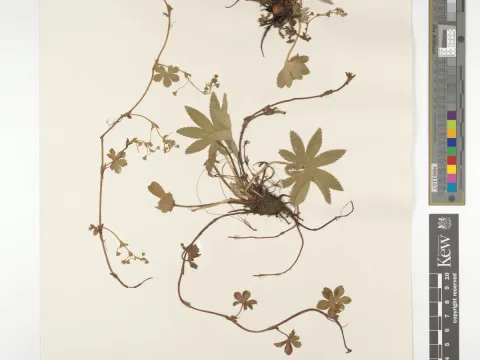
Alchemilla gracilipes
Alchemilla gracilipes
Alchemilla gracilipes is a perennial herbaceous plant belonging to the Rosaceae family. It is valued for its pharmacological properties and aesthetic characteristics, often grown in specialized nurseries for further commercial or medicinal use.
What the section contains
Alchemilla gracilipes
Propagation is primarily achieved through seeds or vegetative division. Seeds require a cold stratification period of at least two months to break dormancy. Sowing can be performed in late autumn for natural outdoor stratification or in spring following artificial cooling.
Vegetative propagation is more reliable for maintaining specific traits. Division of the rootstocks is best performed during the dormancy phase, either in early spring or late summer, ensuring each segment contains several dormant buds for rapid establishment.
When planting, spacing should be set at approximately 40 to 50 centimeters between rows. This ensures adequate airflow, which is critical for reducing humidity levels around the foliage and preventing the development of fungal infections.
Seedling establishment requires meticulous weeding, as the plant is slow-growing during its first season. Once established, it forms a dense, low-growing mat that effectively suppresses most competing weeds in the later stages of development.
The plant thrives in fertile, well-draining loamy soils with a neutral or slightly acidic pH. Poor drainage is the most significant factor leading to crop failure, as the root system is highly susceptible to saturation and subsequent rot.
Alchemilla gracilipes exhibits good adaptability to light conditions, performing well in both full sun and partial shade. However, in regions with intense summer heat, partial shade is preferred to prevent leaf scorching and excessive moisture loss.
This species is characterized by high winter hardiness, making it suitable for cultivation in temperate climates. It typically requires no winter protection, provided that the soil is sufficiently drained to avoid ice crystallization around the crown.
Nutrient requirements are moderate; organic matter incorporated into the soil during field preparation is usually sufficient for optimal growth. Top-dressing with potassium-based fertilizers in early spring supports plant resilience against environmental stress.
Moisture management is key to the plant's health. While it requires consistent watering during the peak growth season, the soil must be allowed to dry slightly between irrigations. Its natural guttation process should be monitored as an indicator of humidity levels.
Powdery mildew is the most common disease affecting this crop, particularly in dense stands with poor ventilation. Implementing a proper row spacing strategy and maintaining good field hygiene are the primary methods for long-term disease management.
Root rot, caused by pathogens like Phytophthora, can devastate plantations in waterlogged areas. Improving soil structure through the addition of grit or sand is essential for preventing these types of losses in heavier soil types.
Pest pressure from aphids and leaf-eating beetles can impact yield quality. On commercial sites, integrated pest management (IPM) involving beneficial insects is often more effective and sustainable than the heavy use of synthetic chemical pesticides.
Gastropods, including slugs and snails, pose a significant risk to young tissue. Physical barriers or the application of environmentally safe bait around the perimeter of the production area can effectively mitigate this damage during wet weather.
Regular monitoring of the site is necessary to identify early signs of nutrient deficiency or localized infection. Proper rotation practices, ensuring that other Rosaceae family members have not occupied the land previously, help minimize the buildup of soil-borne pathogens.