
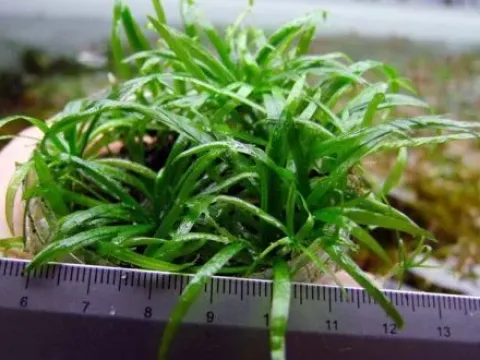
Ranalisma
Ranalisma
Ranalisma is a genus of rare aquatic and semi-aquatic plants belonging to the Alismataceae family. Although not a mass-produced agricultural crop, it is of significant interest in specialized horticulture and the aquarium plant industry.
What the section contains

Ranalisma
In its natural habitat, reproduction occurs via seeds; however, in cultivation, vegetative propagation is the preferred and most effective method. Planting is performed in a specially prepared substrate rich in nutrients, while maintaining high levels of soil moisture.
The optimal period for active growth and division of clumps is from late spring to early autumn. For successful root establishment, it is essential to maintain a constant water and soil temperature of no less than 22–24 degrees Celsius.
When grown in specialized nurseries, seeds are sown in shallow water containers. The plant is extremely sensitive to drying of the root system during early vegetative stages, making moisture control a critical success factor.
The application of modern hydroponic techniques allows for accelerated root system development. To achieve optimal planting density, it is recommended to maintain a distance of at least 10–15 centimeters between individual plants.
Ranalisma has specific environmental requirements, favoring tropical and subtropical climates. It thrives best in soft, slightly acidic, or neutral water with good circulation to ensure oxygen supply to the roots.
Lighting plays a pivotal role in the plant's metabolism. Moderate to intense lighting is required for normal photosynthesis, as insufficient light leads to stem elongation and the loss of the plant's compact, decorative habit.
The soil composition should be silty or contain additives such as clay and peat to effectively retain nutrients. As an active nutrient feeder, the plant requires regular fertilization in the substrate to maintain vigorous development.
The temperature range suitable for stable growth varies between 20 and 28 degrees Celsius. Sharp temperature fluctuations can trigger leaf shedding and a prolonged suspension of vital metabolic processes.
The water must be free from excess heavy metals and chlorine, as the Ranalisma genus exhibits high sensitivity to water quality, which inherently limits the geographic regions suitable for its outdoor cultivation.
The greatest threat to the crop is fungal infections that develop in stagnant water or under poor aeration conditions. Upon detection of rot, affected plant parts should be removed immediately to prevent further spread.
In closed environments or aquaria, the crop may be prone to infestations by various types of algae. These opportunistic pests shade the plant and compete for mineral resources, significantly compromising the plant's natural immunity.
Pests such as snails can damage the leaf blades, creating pathways for secondary infections. Regular monitoring of the foliage status is necessary, along with the potential use of biological control methods to manage pest populations.
An imbalance of nutrients, particularly an excess of nitrogen coupled with a potassium deficiency, may result in leaf margin necrosis. This physiological disorder is often misidentified as a pathogen, requiring precise adjustment of the fertilizer program.
Disease prevention strategies include regular partial water changes and maintaining optimal planting density, which helps prevent the creation of a microclimate favorable to the rapid proliferation of pathogens.