
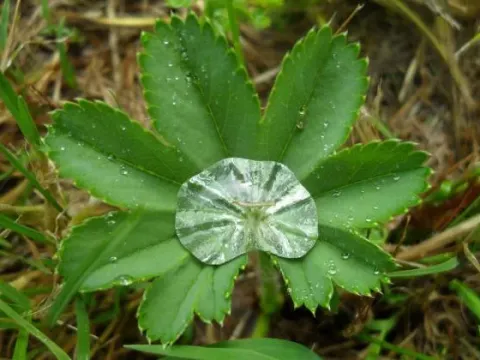
Alchemilla effusa
Alchemilla effusa
Alchemilla effusa, commonly known as a type of lady's mantle, is a perennial herbaceous plant belonging to the Rosaceae family. It is widely appreciated for its decorative foliage and its ability to thrive in various temperate environments.
What the section contains
Alchemilla effusa
Native to mountain regions, this plant prefers well-drained soils and shows remarkable hardiness against cold weather. It is an excellent choice for gardeners looking for low-maintenance perennial ground cover.
The plant performs best in locations with full sun to partial shade. Ensuring proper soil aeration is vital for the development of its root system, as the species does not tolerate waterlogged conditions for extended periods.
Botanically, it is recognized by its rounded, kidney-shaped leaves covered in fine hairs that collect water droplets. The airy, yellow-green flower clusters emerge in late spring to early summer, adding a delicate texture to any planting.
Economically, Alchemilla effusa is utilized in ornamental landscaping and is occasionally researched for its chemical profile, which includes tannins and antioxidants beneficial for potential medicinal uses.
Fungal diseases are the primary threat to the health of Alchemilla effusa, particularly in humid climates. Powdery mildew can affect the leaves if air circulation around the plants is restricted.
Root rot occurs if the soil drainage is inadequate or if the plants are situated in low-lying areas that collect water. Proper spacing between plants is recommended to promote airflow and prevent moisture accumulation.
Pests such as aphids and spider mites may occasionally infest the foliage, especially during periods of drought. These pests feed on plant juices and can weaken the overall vitality of the plant.
Managing these threats involves integrated pest management strategies, including regular monitoring and the use of appropriate fungicides or insecticides when necessary to prevent significant damage.
Maintaining a clean growing environment by removing dead plant debris at the end of the season significantly reduces the risk of overwintering pathogens and insect infestations in subsequent years.