
Little river arrowhead
Sagittaria secundifolia
Description
Growing requirements
The little river arrowhead (Sagittaria secundifolia) is a unique aquatic plant belonging to the Alismataceae family. It is a highly specialized hydrophyte found exclusively in flowing water bodies in its natural habitat.
The natural range of this species is extremely limited, covering only specific mountainous regions of Alabama, USA. The plant prefers clear, cool water with moderate currents, making it highly sensitive to any changes in water quality.
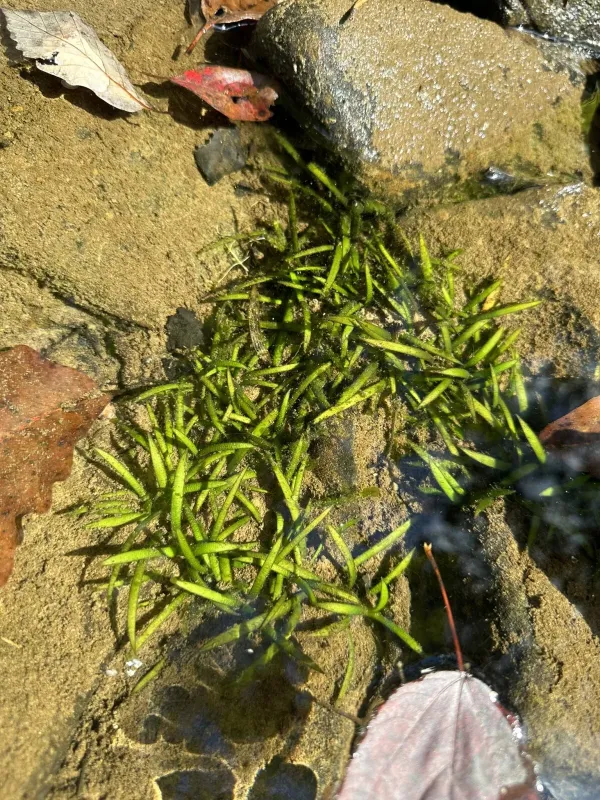
Botanically, the species is characterized by thin, elongated leaves that often grow in a single row along the stem. Unlike many of its relatives, this species rarely develops typical arrowhead-shaped emergent leaves, having adapted to conditions of permanent submersion.
For optimal growth, the plant requires specific light conditions and substrate composition on the bottom of the water body. A sandy or gravelly bottom with sufficient organic deposits to provide mineral nutrition to the root system is considered ideal.
Due to its narrow ecological niche, this plant is not considered a traditional agricultural crop. However, researching this species is of immense importance for hydrobotany and the restoration of biodiversity in aquatic ecosystems.
Main diseases and pests
The primary threats to the survival of Sagittaria secundifolia include anthropogenic river pollution and habitat destruction. Agricultural activities near water bodies lead to eutrophication, which detrimentally affects population survival.
The plant is susceptible to invasive algae species that can suppress its growth by shading it out and consuming available nutrients. Competition from aggressive aquatic plants is a significant risk factor for the species.
Disruption of the hydrological regime caused by dam construction or river channel alterations drastically reduces the area of suitable habitat. This leads to population fragmentation and a reduction in genetic diversity.
Pathogenic microorganisms in polluted water can cause root system decay. Additionally, rising water temperatures due to global warming negatively impact the physiological processes of the plant.
Monitoring the population status is complicated by the inaccessibility of certain river sections. Conserving this species requires a comprehensive approach, including control over water runoff and the preservation of the natural microclimate of riparian zones.