
Scottellia klaineana
Scottellia klaineana
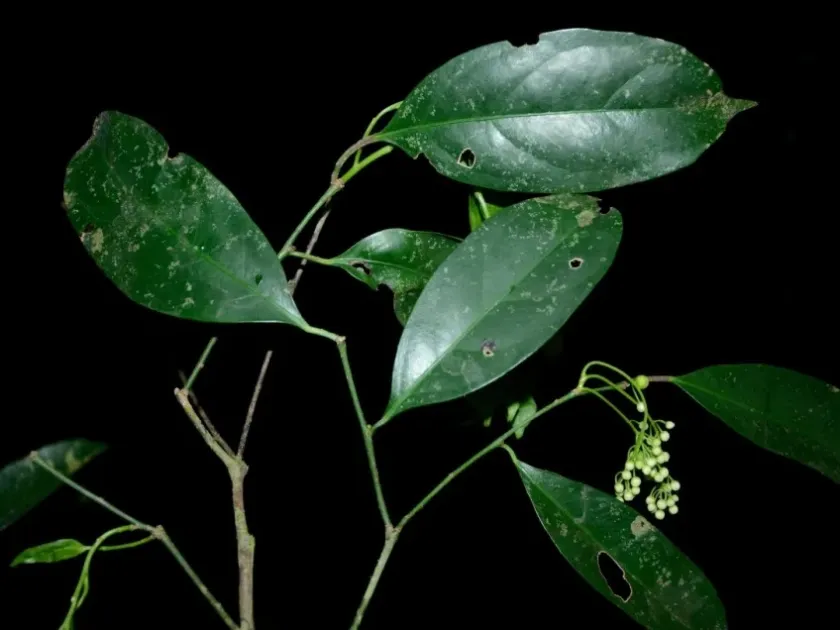
Description
Growing requirements
Scottellia klaineana is a prominent tree species belonging to the Flacourtiaceae family, naturally occurring in the tropical rainforests of Central and West Africa. It is characterized by a straight trunk and significant height, often forming part of the secondary canopy.
This species thrives in hot, humid climates with consistent rainfall throughout the year. It does not tolerate prolonged dry seasons, making it highly dependent on the stability of the tropical ecosystem's microclimate.
In terms of soil requirements, Scottellia klaineana prefers deep, fertile, and well-drained soils rich in minerals. It is essential to ensure that the site maintains adequate moisture levels without causing waterlogging, which can be detrimental to the root health.
Silvicultural management of this crop involves selective thinning to ensure that individual trees have access to sufficient light and nutrients, which promotes faster growth rates and better wood quality.
Proper forest management practices include monitoring the soil structure and nutrient content to sustain the productivity of the stands over multiple harvest cycles.
Yield
The primary economic output of Scottellia klaineana is its timber, which is valued for its light color, density, and ease of machining. It is a preferred material for high-quality furniture making and interior design.
The timber's uniform grain allows for excellent finishing, including staining and lacquering, which is highly sought after in the woodworking and manufacturing industries.
Sustainable harvesting protocols are implemented in regions where the tree grows to balance economic production with conservation efforts, ensuring the species continues to regenerate.
In addition to timber production, the tree contributes significantly to the forest biomass, supporting complex ecological relationships and biodiversity in African rainforests.
Ongoing research is focused on optimizing reforestation techniques to maximize the yields of timber plantations while minimizing the environmental impact on the surrounding landscape.
Main diseases and pests
The species faces various threats, including boring insects that target the wood, which can cause significant damage to the trunk and reduce the structural integrity of the timber.
Fungal infections, particularly those affecting the root system, are common in environments with poor soil drainage or inadequate air circulation in plantations.
Deforestation and habitat fragmentation are critical threats, leading to a reduction in the natural range and population density of this valuable tree species.
Invasive plant species can outcompete young Scottellia klaineana trees in nursery settings, requiring diligent maintenance and clearing to ensure survival during the early stages of growth.
Climate change poses a long-term risk to the stability of these forest ecosystems, potentially altering the patterns of rainfall and temperature that the species depends upon.