
Kiggelaria africana
Kiggelaria africana
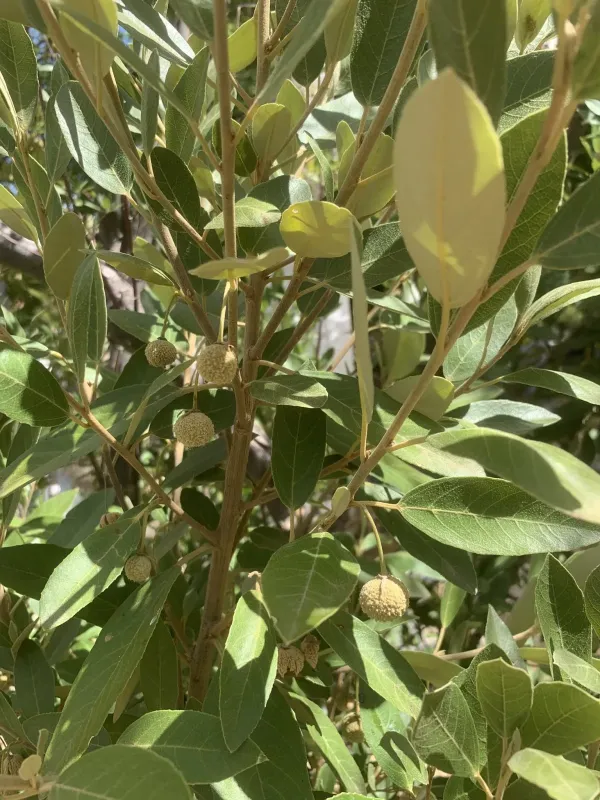
Description
Growing requirements
Kiggelaria africana, commonly known as wild peach, is an evergreen tree belonging to the Achariaceae family. It is a resilient species capable of growing into a medium-sized tree with a dense, rounded crown, making it highly valued for horticultural use.
Originating from Africa, this species is widespread across diverse habitats, including forest margins and mountain ravines. Its natural range demonstrates a high adaptability to varying light levels, thriving in both full sun and semi-shaded environments.
For cultivation, Kiggelaria africana requires well-drained, nutrient-rich soil. It is relatively drought-tolerant once established, but optimal growth is achieved with regular watering and the application of organic mulch to conserve soil moisture.
Temperature requirements are moderate, as the tree prefers mild climates. While it can withstand light frost, young trees require protection from harsh winter conditions to prevent damage to the terminal buds and foliage.
The economic and ecological utility of the plant includes ornamental landscaping and wildlife gardening. It serves as an essential food source for various insect species and provides shelter for birds, significantly contributing to the local biodiversity.
Main diseases and pests
The most significant pest associated with Kiggelaria africana is the larva of the Garden Acraea butterfly (Acraea horta). These caterpillars feed aggressively on the foliage, often resulting in significant defoliation of the tree during the summer months.
Despite the visual impact of larval feeding, the tree is remarkably resilient and typically produces a new flush of leaves shortly after the caterpillars pupate. Therefore, chemical control is rarely necessary in managed landscapes.
Disease outbreaks are minimal when the tree is provided with appropriate spacing and air circulation. Poor drainage is the primary cause of stress, potentially leading to root health issues or susceptibility to environmental pathogens.
In container or nursery settings, growers should watch for common greenhouse pests such as scale insects or spider mites. Early detection through regular visual inspections is the most effective strategy for managing these populations.
Maintaining the overall health of the tree through balanced fertilization and proper moisture management is the best defense against both pests and secondary opportunistic diseases, ensuring the long-term vitality of the specimen.