
Gynocardia odorata
Gynocardia odorata
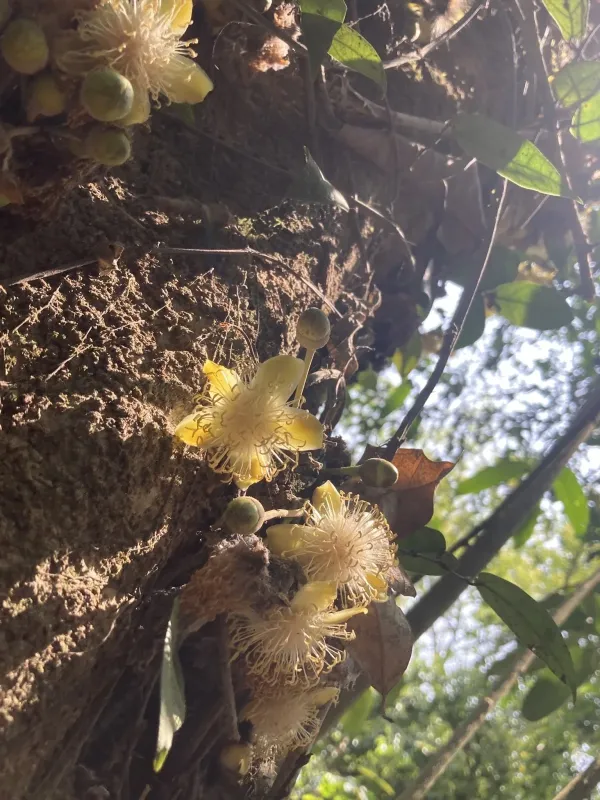
Description
Growing requirements
Gynocardia odorata is an evergreen tree species belonging to the Achariaceae family. It is native to the tropical forests of Southeast Asia, specifically found in India, Nepal, and Myanmar, where it typically thrives in humid environments.
This crop requires a tropical climate characterized by consistently high temperatures and significant humidity throughout the year. The tree is highly sensitive to frost and extreme cold, requiring a protected environment to thrive outside its natural range.
Ideal soil conditions for this tree include deep, fertile, and well-drained loams. It prefers areas with good air circulation and organic-rich soil, which supports the healthy development of its extensive root system.
Agronomic management involves providing partial shade for young trees, which is essential to prevent leaf scorching. Mature trees generally tolerate more light, but regular irrigation remains a key factor during the dry season to maintain optimal health.
The tree is primarily cultivated for its seeds, which yield an oil widely used in traditional medicine and industrial applications. This oil is known for its therapeutic properties, especially in treating various skin conditions and promoting dermatological health.
Main diseases and pests
Root rot, caused by stagnant water and poor drainage, represents the primary threat to Gynocardia odorata plantations. Ensuring proper water management is critical to prevent fungal proliferation in the soil and protect root integrity.
Various sucking insects, including aphids and thrips, pose a constant challenge to the vitality of the foliage. Integrated pest management strategies are recommended to mitigate damage without compromising the environmental balance of the grove.
Fungal leaf spot diseases can significantly impact the plant's photosynthetic capacity, leading to reduced seed production. Providing adequate spacing between trees promotes better air circulation, which helps naturally reduce the risk of infection.
Damage to the tree's bark can invite wood-boring pests that threaten the long-term structural integrity of the plant. Regular monitoring and immediate pruning of damaged or necrotic branches help maintain the overall health of the specimen.
Effective plantation management requires balanced nutrient application to strengthen the tree's natural resistance against common tropical pathogens. Healthy trees with robust growth habits are naturally more resilient to environmental and biological stressors.