
Ruspolia
Ruspolia seticalyx
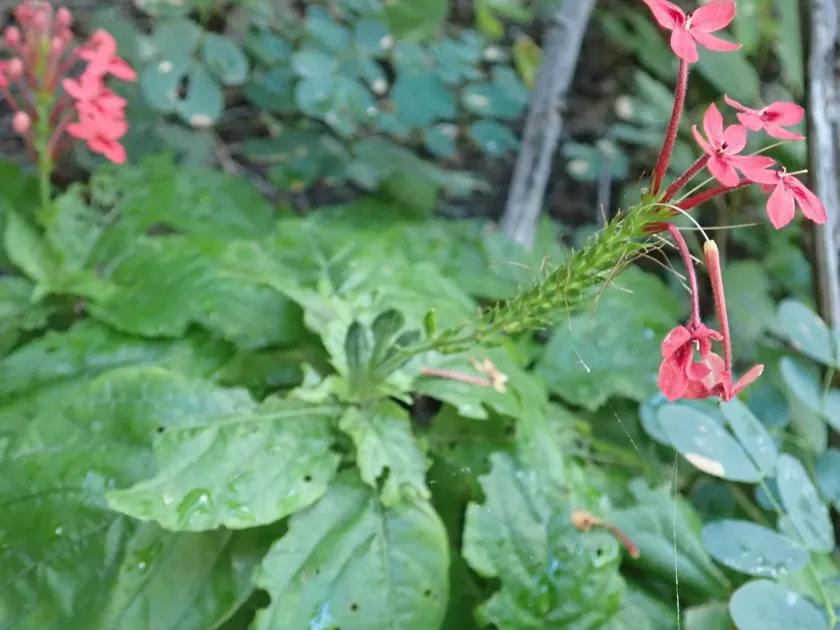
Description
Sowing dates
Ruspolia, belonging to the Tettigoniidae family (bush crickets), is an edible insect species increasingly utilized in parts of African agriculture as a sustainable protein source. Unlike traditional crops, the "sowing" or stocking process involves creating natural habitats that encourage the migration and breeding of the population within fields.
The most favorable period for beginning intensive breeding coincides with the onset of the rainy season, when insect activity peaks. Farmers prepare plots with native vegetation, which serves as a vital substrate for egg-laying.
An essential aspect of the process is synchronizing the insect life cycle with the availability of food sources, specifically juicy wild grasses. Agricultural techniques focus on maintaining high soil moisture levels, which are critical for the successful development of the larval stage.
Population density within the plots is managed by monitoring the number of adult individuals during evening hours. Optimal conditions facilitate multiple generations per season, significantly increasing the overall productivity of the entomological farm.
This breeding technology is actively researched as a viable, resource-efficient alternative to conventional livestock farming, requiring far less water and land compared to cattle ranching.
Growing requirements
Effective Ruspolia farming requires specific climatic conditions characteristic of tropical and subtropical regions in East Africa. The species is highly sensitive to sharp fluctuations in temperature and humidity.
The optimal temperature range for metamorphosis is between 25 and 30 degrees Celsius. High air humidity promotes population growth, whereas drought conditions often lead to mass mortality among larvae.
The soil must be rich in organic matter, as it provides not only a habitat but also a protective layer for eggs during the diapause period. Soil structure should remain loose, allowing insects to easily burrow for oviposition.
Vegetation coverage in the plot must consist of diverse wild grasses that ensure a balanced diet for the insects. The excessive use of pesticides in surrounding areas is strictly prohibited to protect the colony.
Lighting conditions play a major role in the circadian rhythms of these insects. It is recommended to plant protective windbreaks that provide the necessary microclimate and shelter from strong winds.
Yield
Ruspolia yield is measured in kilograms of biomass per unit area per season. During favorable years, productivity can reach high values, making this species an economically viable agricultural asset.
The quantity of harvested insects depends directly on rainfall intensity and the quality of forage plants. A stable population can provide a high output of pure protein, suitable for processing into insect flour.
Harvesting efficiency is significantly improved through the use of light traps, which attract adult insects at night. With proper process management, farmers can collect several tons of raw material per hectare.
Nutritional analysis shows that dried Ruspolia biomass contains up to 40–50% high-quality protein and essential fatty acids, making it a highly sought-after ingredient in the functional food market.
Yield potential continues to grow through the selective breeding of the most prolific lines capable of surviving in the region’s changing climatic conditions.
Main diseases and pests
The primary threats to the population are specialized parasitoids that attack both eggs and larvae. Effective protection requires regular sanitary maintenance of the plots to remove infected plant material.
Predatory birds and small mammals often destroy significant portions of the colony, making the installation of mesh netting a necessary requirement to minimize biomass losses.
Fungal diseases, which thrive in stagnant air and excessive humidity, can trigger epidemics among larvae. Regular ventilation and maintaining appropriate population density help mitigate this risk.
Changes in soil chemistry due to industrial pollution can have negative impacts, as contaminants tend to accumulate in insect bodies. Environmental monitoring is a crucial component of protection.
Climatic anomalies, such as sudden frosts or prolonged periods of heat without rainfall, remain uncontrollable risk factors capable of decimating the entire population in a short time.
Harvesting
Harvesting Ruspolia is primarily carried out at night when the insects exhibit maximum activity. Methods of attractive harvesting are employed to ensure the collection of the cleanest possible raw material.
Light traps positioned over water containers or mesh bags ensure a high speed of collection. It is crucial to process the biomass immediately after harvesting to preserve its nutritional quality.
After collection, the insects undergo thermal processing—typically drying or roasting—which extends the product's shelf life and eliminates potential pathogens.
The transport of harvested material requires strict temperature control to prevent protein degradation. Modern freeze-drying methods allow the raw material to be transformed into a high-concentration powder.
Proper harvest organization prevents damage to natural egg-laying sites, ensuring the population's recovery for the following season.