
Ruspolia decurrens
Ruspolia decurrens
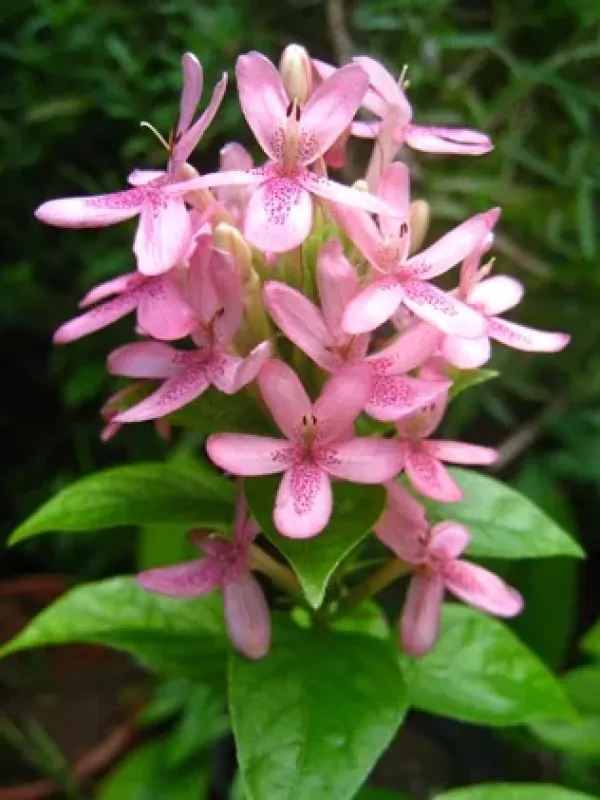
Description
Growing requirements
Ruspolia decurrens is a perennial herbaceous plant belonging to the Acanthaceae family. This species is native to tropical environments, primarily found in African regions, where it thrives in warm and humid ecological niches.
The plant exhibits distinct botanical features characterized by a decurrent leaf structure, which provides a high surface area for moisture absorption and photosynthesis. It acts as an important component of the local ecosystem within its natural range.
Regarding soil requirements, Ruspolia decurrens prefers well-drained, nutrient-rich soils with a neutral pH level. Waterlogging is detrimental to the root system, so sandy loam or well-structured loamy soils are recommended for optimal agricultural performance.
Climate adaptability is limited to tropical and subtropical zones, as the plant is extremely sensitive to frost. Consistent thermal conditions above 20 degrees Celsius are essential for the plant to complete its full life cycle and achieve maximum productivity.
Agricultural management should focus on maintaining adequate irrigation levels during the dry season. Regular monitoring of the nutrient status of the soil is advised to ensure that the plant has access to essential macronutrients required for healthy vegetative growth.
Main diseases and pests
Major pests affecting this crop include various species of aphids and spider mites, which thrive in dry conditions. If left untreated, these pests can cause leaf yellowing and structural damage to the primary stems, significantly reducing total biomass.
Pathogenic fungi are another significant threat, particularly in humid and poorly ventilated fields. Root rot caused by overwatering remains a primary concern for farmers, requiring a rigorous approach to soil drainage and field hygiene practices.