
Beloperone oblongata
Beloperone oblongata
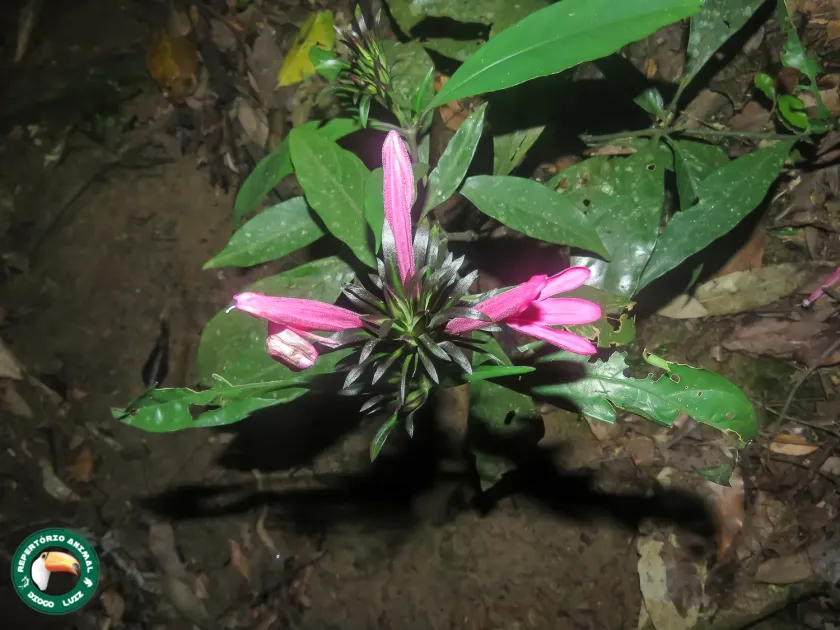
Description
Growing requirements
Beloperone oblongata, belonging to the Acanthaceae family, is an evergreen perennial shrub. In its natural environment, it originates from the tropical regions of South America, primarily Brazil. The plant prefers moist forest zones, where it finds an optimal balance between diffused sunlight and high air humidity.
Botanically, the species is characterized by oblong leaves with prominent venation and spectacular bracts that are often mistaken for inflorescences. The stems of the plant tend to become woody at the base, giving it a shrubby appearance. In cultivation, the height of the plant usually varies from 50 to 100 centimeters, unless regular pruning is performed.
For successful growth, Beloperone requires a stable temperature regime, preferably in the range of 18–24 degrees Celsius. The crop is extremely sensitive to drafts and sudden changes between night and day temperatures, which makes it primarily a greenhouse or indoor plant in temperate climates.
The soil mixture for cultivation should be loose, fertile, and have a slightly acidic or neutral reaction. A mandatory condition is the presence of a drainage layer, as stagnant moisture at the roots quickly leads to plant death. During the active growing season, it is recommended to maintain constant substrate moisture without waterlogging.
The economic use of Beloperone oblongata is limited to ornamental purposes. It is valued for its long flowering period and the bright appearance of its bracts, which decorate interiors and winter gardens. In some countries, the plant is used in landscape design as a solitaire or for creating low-growing hedges in regions with tropical climates.
Main diseases and pests
The main danger to this species is posed by pests of protected ground, in particular, spider mites and mealybugs. In low air humidity, the spider mite can infest the entire plant in a short time, causing yellowing and shedding of leaves.
Under conditions of waterlogged soil, the plant is prone to fungal diseases such as root rot. For prevention, it is necessary to follow a strict watering schedule and avoid excessive moisture accumulation in the saucer of the flower pot or container.
Systemic insecticides and acaricides are used to combat pests. An important stage of agricultural technology is regular sanitary pruning, which not only shapes the crown but also improves ventilation inside the bush, preventing stagnation.
Micronutrient deficiency manifests as leaf chlorosis, requiring comprehensive mineral fertilization during the spring-summer period. It is recommended to use compositions intended for flowering ornamental crops, adhering to the dosage according to the instructions.
Fungicides of a broad spectrum of action are used for fungal infections. It is important to isolate infected specimens from healthy plants to prevent the spread of pathogens in greenhouse or nursery conditions.