
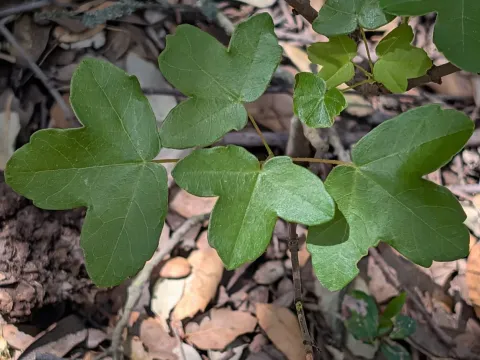
Montpellier maple
Acer monspessulanum L.
The Montpellier maple (Acer monspessulanum L.) is a member of the Sapindaceae family. It is a slow-growing, deciduous tree or shrub renowned for its exceptional resilience and compact, elegant habit.
What the section contains
Montpellier maple
Originating from the Mediterranean basin and surrounding regions, this species is naturally adapted to limestone soils and rocky terrains, where it demonstrates its primary advantage: extreme drought tolerance.
Its botanical features include glossy, dark green three-lobed leaves that offer a distinct appearance compared to other maple species. Due to its slow growth, it remains manageable for smaller gardens and urban landscape designs.
The plant thrives in full sun but can tolerate partial shade. Proper soil drainage is essential for successful cultivation, as the species is highly susceptible to root problems in waterlogged conditions.
This tree is highly valued for its adaptability to urban pollution and poor soils, making it an excellent candidate for sustainable landscaping and climate-resilient garden projects.
The Montpellier maple is generally robust, yet it is susceptible to specific plant health issues if the environmental balance is disrupted. Fungal pathogens are the most common concern for this tree species.
Powdery mildew represents a common fungal threat, particularly in regions with high humidity and poor air circulation. Symptoms include a white powdery film covering the leaves, which can reduce photosynthetic activity.
Various insect pests, such as aphids, mites, and scale insects, may colonize the foliage or stems. These pests damage the tree by extracting sap, potentially causing yellowing and premature leaf drop.
Effective management includes regular monitoring and the removal of infected plant parts. Ensuring adequate spacing between trees promotes better airflow, which is a critical step in preventing fungal development.
In cases of severe infestation, specialized horticultural oils or systemic pesticides should be used in accordance with agricultural standards to ensure the long-term health of the plant.