
Lobel's Maple
Acer lobelii
Description
Growing requirements
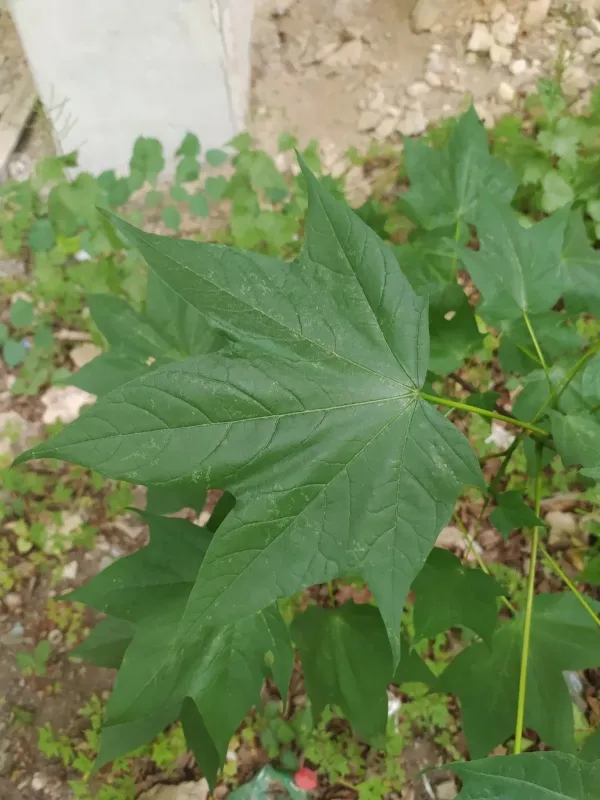
Lobel's Maple (Acer lobelii) is a distinct deciduous tree species belonging to the Sapindaceae family. Native to the mountainous regions of Southern Italy and the Balkans, it is widely recognized for its characteristic narrow, columnar crown, which makes it a standout choice for formal landscape architecture.
The cultural requirements for this tree involve deep, nutrient-rich soils that maintain consistent moisture without becoming waterlogged. While it is adaptable to various soil types, loamy, well-drained conditions promote the healthiest growth and root development, essential for the longevity of the specimen.
As a light-demanding species, Lobel's Maple requires full sun exposure to maintain the density and uniform structure of its crown. Exposure to adequate sunlight also ensures that the tree exhibits its full range of foliage characteristics throughout the growing season, which is crucial for its ornamental value.
Standard agronomic care for this maple includes consistent watering during the initial establishment phase and the implementation of organic mulching. Mulching helps regulate soil temperatures and retain moisture, which is particularly beneficial during the hot, dry months of summer when young trees are prone to stress.
Regarding its utility, the tree is primarily employed in urban planning and public park design. Its vertical form allows for effective use in tight spaces where broad-canopied trees would be inappropriate, providing structural beauty and ecological benefits such as air purification and habitat support.
Main diseases and pests
The primary botanical threats to Acer lobelii include fungal pathogens like powdery mildew, which can colonize the leaves under conditions of high humidity and poor airflow. Managing the density of surrounding vegetation can help promote air circulation and reduce the incidence of these fungal infections.
Pests such as spider mites and aphids are known to occasionally infest Lobel's Maple, particularly during periods of environmental stress. Regular visual inspections are recommended to detect early signs of infestation, such as yellowing leaves or the presence of honeydew on the foliage.
Structural damage can occur due to extreme winter weather, such as heavy ice accumulation or wind, which may snap smaller, fragile branches. Proper structural pruning while the tree is young helps develop a stronger scaffold, significantly reducing the risk of breakage as the tree matures.
Effective management strategies include integrated pest management (IPM) practices, which prioritize non-chemical interventions wherever possible. Should chemical control be necessary, systemic insecticides are often utilized to target specific pests while minimizing harm to the surrounding environment.
Long-term soil health is also a factor in disease resistance. Ensuring that the soil is not overly compacted and contains sufficient organic matter helps the tree withstand biological threats and environmental pressures, resulting in a more resilient and long-lived specimen.