
Red maple
Acer rubrum L.
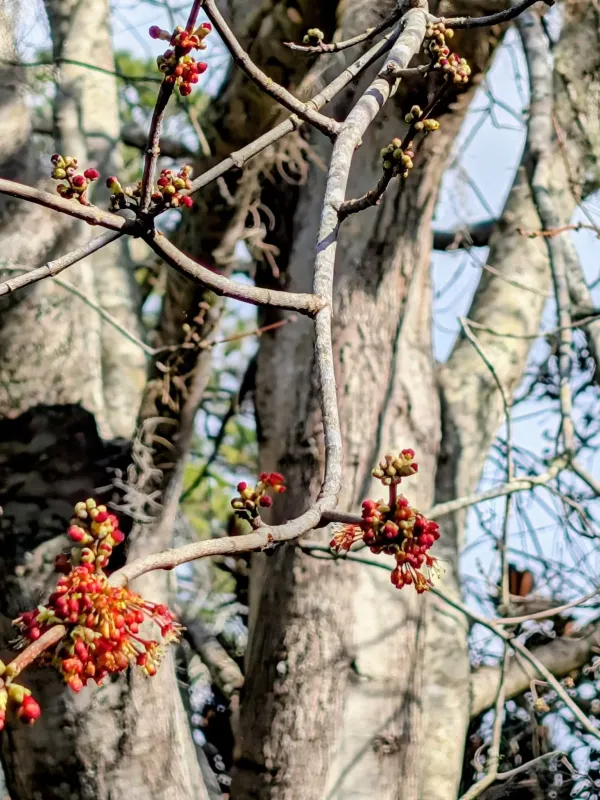
Description
Growing requirements
Red maple (Acer rubrum L.) is a member of the Sapindaceae family, known for its significant ornamental value and fast growth rate in diverse ecological environments.
Originating from North America, this species is naturally adapted to moist soil conditions, typically thriving in acidic to neutral substrates found in swamps, forests, and riverbanks.
The tree exhibits impressive hardiness, tolerating a wide range of temperatures and climatic conditions, which makes it a popular choice for both urban street planting and forest restoration.
For best results, growers should provide well-drained but consistently moist soil, as the tree is sensitive to prolonged droughts that can stress the root system.
Maintenance involves ensuring adequate sunlight, which triggers the iconic brilliant red and orange autumn foliage that defines the aesthetic appeal of the species.
Main diseases and pests
Verticillium wilt is considered one of the most serious diseases for Acer rubrum, often causing branch dieback and requiring the immediate removal of infected wood.
Pests such as scale insects, aphids, and borers are common concerns that can impair the tree's health, necessitating regular monitoring during the active growing season.
Anthracnose and other fungal leaf spot diseases can affect the tree, especially in seasons with high humidity or poor air circulation within the canopy.
Powdery mildew may develop on the leaves during late summer if the trees are planted too closely together or located in stagnant, shaded areas.
Proper agricultural practices, including balanced fertilization and immediate treatment of wounds or structural damage, are vital to preventing long-term infestations.