
Italian maple
Acer opalus Mill.
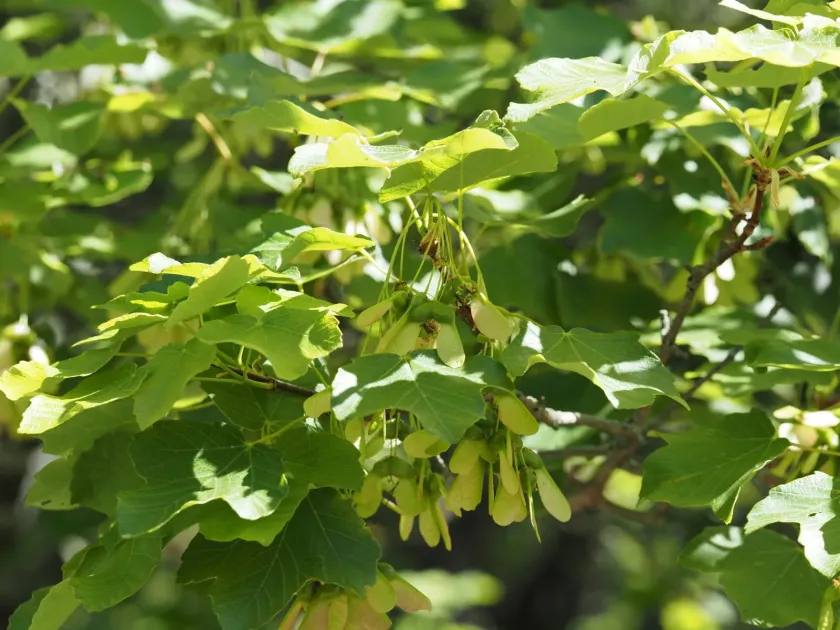
Description
Growing requirements
The Italian maple (Acer opalus Mill.) is a deciduous tree belonging to the Sapindaceae family. It is native to southern and central Europe, typically found in sunny hillside forests and rocky environments.
This tree requires well-drained, fertile soil with a neutral or slightly alkaline pH to thrive. While it can adapt to various conditions, it performs best in positions with full sun or partial shade where moisture is consistent during the growing season.
Botanically, it is known for its rounded, lobed leaves and dense, umbrella-shaped canopy. It is a slow-growing species, making it an excellent choice for smaller urban parks or residential gardens where space is limited.
In terms of cultivation, irrigation is essential during the establishment phase. Once mature, the tree demonstrates good resilience, although mulching around the root zone is highly recommended to protect against excessive soil drying and temperature fluctuations.
The Italian maple is primarily used for its aesthetic value. Its autumn foliage displays stunning colors, ranging from yellow to deep orange. While not a commercial timber crop, its wood is appreciated by craftsmen for its density and fine texture.
Main diseases and pests
The Italian maple is susceptible to fungal infections such as powdery mildew, especially in regions with high humidity and poor air circulation within the canopy. Fungicide applications may be required if infestations become severe.
Pests such as aphids and leaf-eating beetles can cause significant foliage damage. Regular monitoring and the use of integrated pest management strategies are necessary to preserve the tree's health.
Verticillium wilt is a critical threat that affects the vascular system of the tree. There is no cure for this disease, so maintaining tree vigor through proper fertilization and stress reduction is the primary preventative measure.
Environmental stress, including prolonged drought or soil compaction, can weaken the tree's immune system, making it more prone to secondary wood-boring insect attacks.
Sanitation practices are essential for disease control. Removing and destroying infected branches immediately prevents the spread of pathogens, ensuring the long-term longevity of the tree in the landscape.