
Martini Maple
Acer martinii
Description
Growing requirements
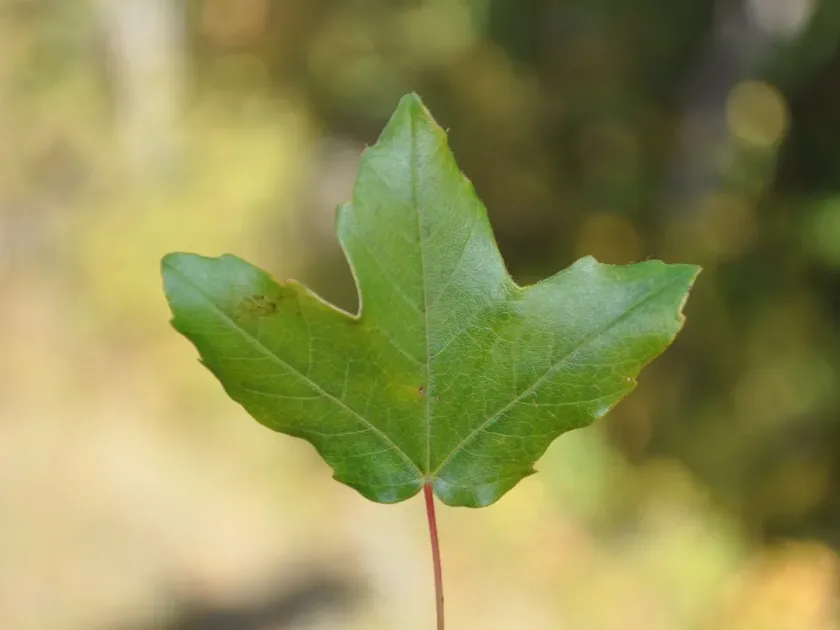
The Martini Maple (Acer martinii) is a distinctive species belonging to the Sapindaceae family. Originally found in the mountainous forest regions of China, this plant is categorized as a rare botanical specimen of high interest.
Cultivation of Acer martinii requires specific climatic conditions, favoring cool and humid environments found in high-altitude subtropical regions. It performs best when planted in sites with dappled shade, avoiding intense direct sunlight.
Regarding soil requirements, the species demands well-drained, nutrient-rich soil with a slightly acidic to neutral pH level. Proper aeration of the substrate is vital to prevent root rot, ensuring healthy long-term growth.
Agrotechnical maintenance focuses on consistent soil moisture management. It is highly recommended to use organic mulching, which helps stabilize soil temperature and keeps root zones protected during dry or cold weather spells.
In terms of usage, the Martini Maple is primarily reserved for specialized arboretums and private ornamental collections. Its graceful structure makes it a premium choice for landscape designers focusing on biodiversity and rare Asian flora.
Main diseases and pests
The primary health threats for Acer martinii include fungal infections such as powdery mildew, which can proliferate if the plant is subjected to poor air circulation and excessive humidity levels.
Pest threats commonly involve aphids and certain leaf-feeding beetles. These organisms can negatively affect the tree's ornamental value by damaging the foliage and causing stunted development of new growth.
Preventative measures are essential, including the removal of deadwood and the application of appropriate horticultural oils or systemic treatments when signs of infestation are first identified by an agronomist.
Maintaining a clean garden environment is crucial. Removing fallen leaves helps eliminate overwintering sites for various pathogens that commonly target the maple genus in cultivated landscapes.
Careful observation is required during the spring flush of growth. Ensuring that the tree is not overcrowded by other plants will improve ventilation and significantly reduce the likelihood of pest and disease outbreaks.