
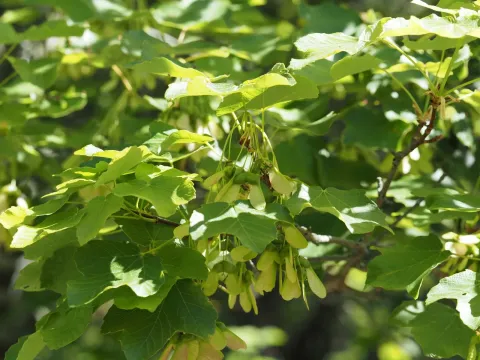
Italian maple
Acer opalus Mill. subsp. Opalus
The Italian maple (Acer opalus Mill. subsp. opalus) is a deciduous tree species belonging to the Sapindaceae family. It is recognized for its robust growth, naturally rounded crown shape, and impressive autumn foliage, which typically turns vibrant yellow to orange.
What the section contains
Italian maple
Originating from the mountainous regions of Southern and Central Europe, this species is well-adapted to limestone-rich soils. It thrives in well-drained, fertile environments, showing a significant intolerance to compacted or waterlogged soils, which can lead to root decay.
Regarding climate requirements, the Italian maple prefers temperate zones with moderate rainfall. While it can handle some dry spells once established, young saplings require consistent watering. It is generally hardy, though it prefers protected sites that shield it from harsh, desiccating winter winds.
Standard agrotechnical care involves providing adequate spacing for crown expansion. Pruning should be kept to a minimum, primarily focusing on the removal of dead or crossing branches in late winter to maintain the tree's natural structure and overall structural health.
In terms of agricultural and landscape use, the species is primarily valued as an ornamental tree in parks and gardens. Due to its slow-to-moderate growth rate and compact habit, it serves as an excellent choice for specimen planting or as part of mixed deciduous borders.
The primary pathological threats include Verticillium wilt and various fungal leaf spot diseases. Ensuring proper soil aeration and avoiding overhead irrigation can significantly reduce the risk of such fungal infections in nursery and landscape settings.
Common insect pests include aphids and scale insects, which may affect the vitality of the tree during periods of drought or stress. Regular monitoring for signs of infestation is essential, and integrated pest management practices should be employed if populations exceed threshold levels.