
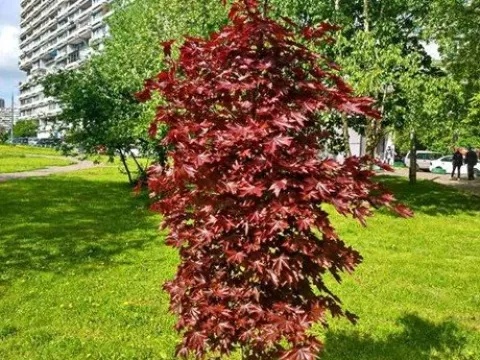
Maple hybrids
Acer hybrids
Maple hybrids belong to the family Sapindaceae and are highly valued for their superior ornamental qualities compared to wild species. These hybrids are the result of selective breeding to achieve specific leaf shapes, vibrant foliage colors, and improved structural integrity.
What the section contains
Maple hybrids
For optimal growth, these trees require deep, well-drained, and nutrient-rich soils. They thrive best in slightly acidic to neutral pH environments. Proper soil aeration is crucial, as the root systems of most maple hybrids are sensitive to compaction and prolonged waterlogging.
Environmental conditions play a significant role in their development. While many varieties prefer filtered light or partial shade to protect their delicate foliage from intense sun, some colored-leaf cultivars require full sunlight to maintain their striking aesthetic characteristics.
Watering requirements are consistent: they need regular irrigation during dry spells, especially while the trees are establishing their root systems. Mulching the base of the tree is highly recommended to regulate soil temperature, retain moisture, and suppress competing vegetation.
Maintenance includes annual pruning to remove dead or diseased wood, which should be performed in late winter. Fertilization with a balanced, slow-release fertilizer in early spring supports healthy canopy development and strengthens the tree against environmental stressors.
Powdery mildew is a common fungal threat, characterized by a white dusty coating on the leaves, usually appearing in late summer. Improving airflow within the canopy and applying appropriate fungicides can effectively manage this condition.
Pests such as aphids, spider mites, and leaf miners can cause significant cosmetic damage and weaken the tree. Integrated pest management, including the use of horticultural oils and systemic insecticides, is recommended when populations reach economic threshold levels.
Verticillium wilt is a serious vascular disease that can affect maple trees, causing branch dieback and leaf wilting. There is no cure, so prevention through the use of certified disease-free nursery stock is the primary management strategy.
Leaf spots, caused by various fungal pathogens, can lead to premature leaf drop. Removing and disposing of fallen foliage in autumn is a critical sanitation practice to reduce the inoculum load for the following season.
Scale insects can occasionally infest the stems and branches of maple hybrids. Regular inspection of bark surfaces and targeted applications of dormant oils in late winter are effective measures to control these persistent sap-sucking pests.