
Mayr maple
Acer mayrii
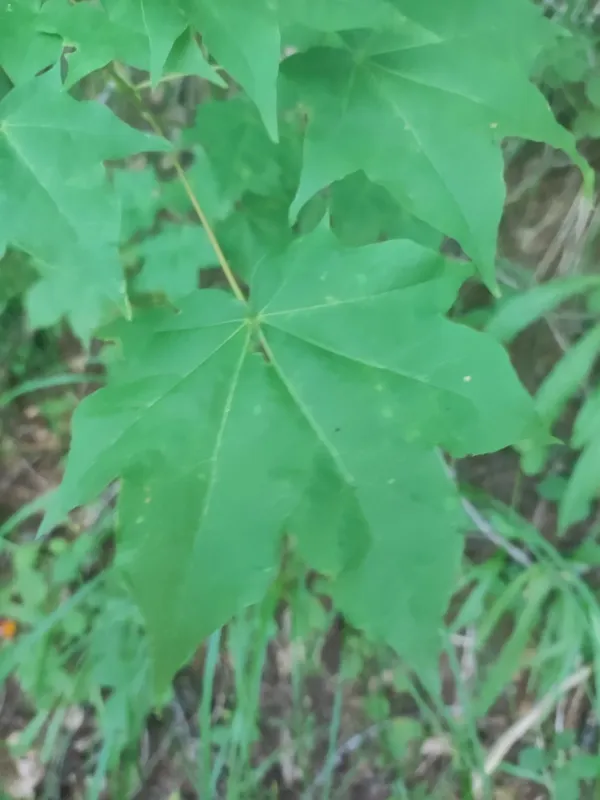
Description
Growing requirements
The Mayr maple (Acer mayrii) belongs to the Sapindaceae family. It is a deciduous tree native to the mountainous regions of Japan and the Russian Far East, adapted to cool and temperate forest environments.
The tree thrives in deep, fertile, and well-drained loamy soils. It is critical to maintain a neutral or slightly acidic soil pH to ensure the proper absorption of nutrients required for healthy growth and leaf development.
In terms of climate, it prefers locations with high atmospheric humidity and protection from harsh, drying winds. It shows good cold tolerance, making it suitable for moderate temperate climate zones.
Proper agronomic care involves regular soil aeration and the application of organic mulch around the base to keep the roots cool and moist during the growing season.
While the tree can adapt to partial shade, it achieves the best structural development when planted in locations that receive filtered sunlight for the majority of the day.
Main diseases and pests
Mayr maple is susceptible to several fungal diseases, most notably powdery mildew, which thrives in high humidity conditions and can discolor the foliage.
Insects such as aphids and leaf-eating beetles are common pests that can cause significant damage to the new growth during the spring season.
Verticillium wilt is a serious concern for many maple species; therefore, it is vital to avoid planting the tree in sites with known history of soil-borne pathogens.
Stem borers can cause deep damage to the trunk, potentially weakening the tree's structural integrity if they are not monitored and treated effectively.
Preventive maintenance, including regular pruning of deadwood and maintaining tree vigor through appropriate fertilization, is the best strategy against potential infestations.