
Manchurian maple
Acer mandshuricum
Description
Growing requirements
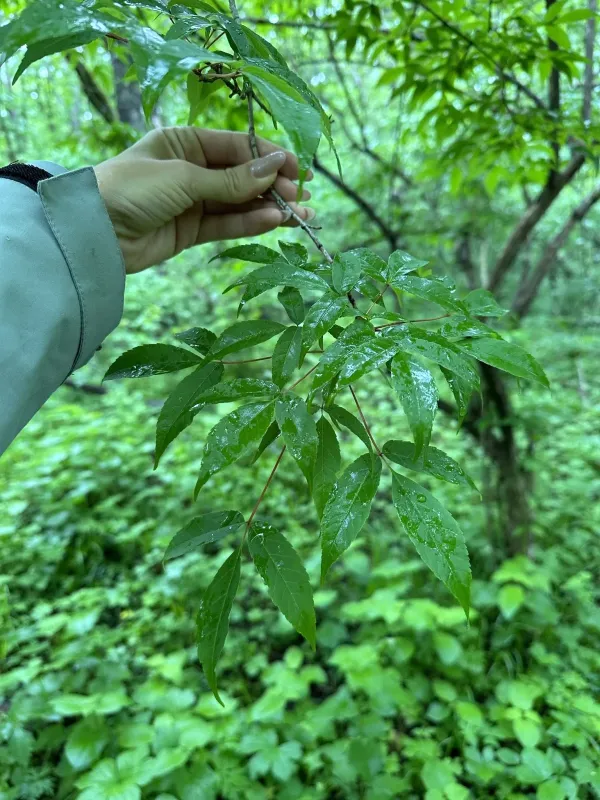
The Manchurian maple (Acer mandshuricum) belongs to the Sapindaceae family. It is a deciduous tree known for its elegant trifoliate leaves, which display striking red and purple hues during the autumn season, making it a highly valued specimen in ornamental horticulture.
Native to the regions of the Russian Far East, Manchuria, and the Korean Peninsula, this species is well-adapted to cooler temperate climates. It thrives in its natural habitat as part of mixed deciduous forests, where it benefits from the shelter and fertile soil conditions.
When cultivated, the Manchurian maple requires a well-drained, nutrient-rich soil to reach its full potential. While it can tolerate partial shade, planting it in a location with ample light exposure enhances its characteristic autumn color and ensures a healthier, denser crown development.
Water requirements are moderate, but the tree remains sensitive to prolonged waterlogging. Providing consistent moisture during the growing season is essential for young saplings to establish deep root systems, which eventually improves their resilience against occasional dry spells.
Beyond its ornamental appeal, the species serves as a valuable nectar source for pollinators. Its timber is also recognized for its durability and attractive grain, finding application in specialized woodcrafts and high-quality furniture production.
Main diseases and pests
Common fungal diseases, such as powdery mildew, often affect the Manchurian maple, especially in areas with stagnant air and high humidity. Improving airflow through appropriate spacing during planting is a primary preventative measure against such infections.
Insects like aphids and various leaf-feeding beetles represent the most significant pest threats. Frequent monitoring of the foliage during early summer allows for effective intervention before populations reach levels that cause noticeable aesthetic damage to the tree.
Bark-boring insects may compromise the structural integrity of the tree. Keeping the tree vigorous through proper fertilization and avoiding mechanical injuries during landscape maintenance help prevent infestations by these destructive pests.
Viral infections can occur, manifesting as chlorotic patterns or mottling on the leaves. Infected specimens should be carefully monitored, and severely affected branches must be pruned and disposed of to prevent the potential spread of pathogens to neighboring plants.
Integrated pest management, combining biological controls and good cultural practices, remains the gold standard for maintaining the health of Acer mandshuricum. Regular sanitation of the garden floor helps eliminate overwintering sites for various fungal spores and insect larvae.