
Opalus maple
Acer opalus Mill. subsp. obtusatum (Waldst. & Kit. ex Willd.) Gams
Description
Growing requirements
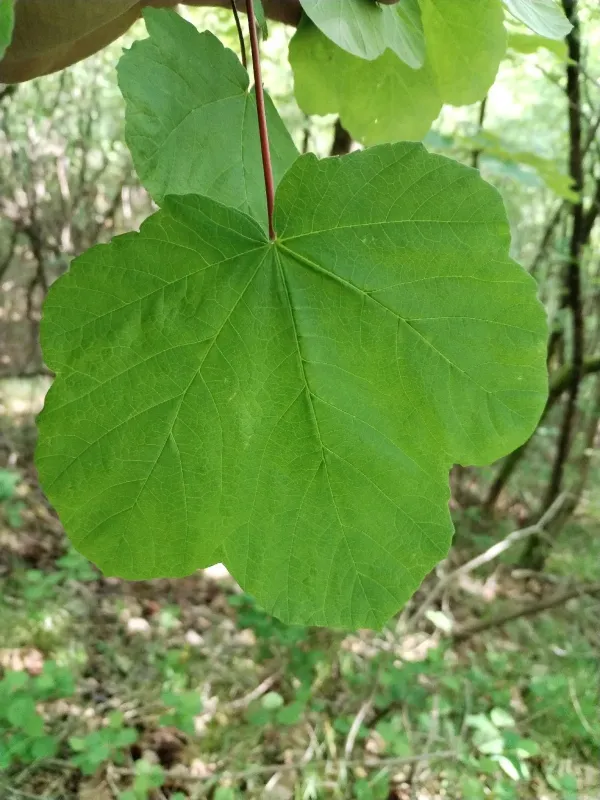
The Opalus maple (Acer opalus subsp. obtusatum) is a member of the Sapindaceae family. It is a deciduous tree known for its robust, broad leaves with blunt lobes, distinguishing it from the typical Acer opalus species in terms of foliage texture and density.
The native range of this cultivar spans across the mountains of Southern and Central Europe, including parts of Italy and the Balkan Peninsula. It is well-adapted to habitats characterized by calcareous soils and a temperate to Mediterranean climate.
Cultivation requirements include well-drained, fertile soil that retains moderate moisture. While the species demonstrates significant drought tolerance once established, consistent irrigation during the peak summer months ensures optimal growth and health.
The tree thrives in full sun to partial shade conditions. Proper sun exposure is essential for the development of its attractive autumn foliage colors, which range from vibrant yellows to deep orange shades depending on the local light conditions.
Agrotechnical maintenance focuses on maintaining a healthy root zone through mulching and periodic fertilization with balanced mineral nutrients. Pruning should be carried out during the dormant season to maintain structural integrity and remove dead or diseased branches.
Main diseases and pests
Major diseases affecting the Opalus maple include powdery mildew, especially in humid or poorly ventilated planting sites. Preventive measures involve spacing trees correctly and ensuring good airflow within the canopy to prevent fungal growth.
Pests such as aphids and leaf miners can cause significant cosmetic damage and weaken the tree by feeding on the sap and foliage. Integrated pest management strategies, including the use of beneficial insects, are recommended for sustainable control.
Verticillium wilt remains one of the most critical threats to this species, often entering through damaged roots. Care must be taken during soil cultivation to avoid wounding the root system, as this is the primary infection point for soil-borne pathogens.
Winter damage to the bark by wildlife or environmental factors can lead to secondary wood decay. Wrapping young trunks or using protective barriers is a standard practice to preserve the longevity of the tree.
Regular monitoring of the canopy and trunk health is vital for successful cultivation. Early detection of symptoms allows for surgical intervention or specialized treatment, ensuring the plant remains a valuable asset in the landscape.