
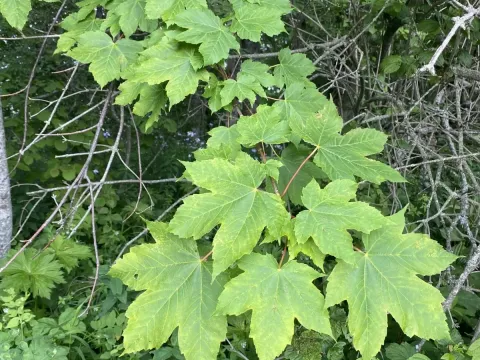
Heldreich's maple
Acer heldreichii Orph. ex Boiss.
Heldreich's maple (Acer heldreichii), a member of the Sapindaceae family, is a deciduous tree native to the mountainous regions of the Balkan Peninsula. It is highly valued in horticulture for its distinct lobed leaves and elegant structure.
What the section contains
Heldreich's maple
This species thrives in well-drained, fertile soils with a neutral to slightly alkaline pH. It is particularly well-adapted to limestone-rich soils, reflecting its origin in mountainous limestone landscapes.
When selecting a planting site, it is crucial to ensure moderate moisture levels. While the tree can tolerate partial shade, it grows most vigorously in sunny locations where it can develop its full decorative potential.
The maintenance protocol should include regular watering during dry spells, especially for young saplings. Mulching the base of the tree is a recommended practice to maintain soil moisture and suppress weed competition.
Due to its high ornamental value, this maple is frequently utilized in urban planning, park design, and as a specimen tree in large private gardens or arboretums.
The primary threats to Acer heldreichii include various fungal pathogens such as Verticillium wilt and leaf spot diseases, which can thrive in environments with poor air circulation or excessive moisture.
Insect pests such as scale insects, aphids, and mites represent a frequent challenge. These pests feed on sap, which can lead to leaf yellowing and reduced vigor of the entire tree.
Effective management strategies include maintaining tree hygiene by promptly removing dead or diseased wood. Proper pruning techniques help ensure that the canopy remains open for adequate airflow.
If chemical control becomes necessary, it is important to target the specific pest or pathogen using environmentally responsible methods to minimize collateral damage to beneficial insects.
Healthy soil management, including the application of organic matter and ensuring proper drainage, plays a vital role in enhancing the tree's natural resistance to diseases and stress factors.