
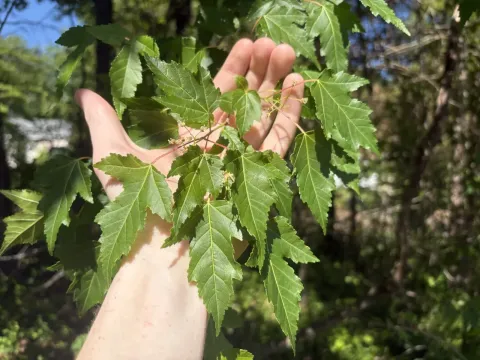
Amur maple
Acer tataricum L. subsp. ginnala (Maxim.) Wesm.
Amur maple (Acer tataricum subsp. ginnala) is a hardy shrub or small tree belonging to the Sapindaceae family. Originally native to Northeast Asia, it has become a popular agricultural and landscaping crop due to its environmental resilience.
What the section contains
Amur maple
Propagation is typically done through seeds, which require stratification to break dormancy. Sowing in late autumn allows seeds to undergo natural chilling cycles, which significantly improves germination rates in the spring.
When sowing in nurseries, the seeds should be placed at a depth of 2 to 3 centimeters. Proper soil preparation, including the incorporation of organic matter, is essential for early seedling development.
Young plants require consistent monitoring for moisture levels. During the first growing season, weeding is crucial to prevent competition for nutrients, as seedlings are sensitive to weed infestation in early stages.
Transplanting into the field is recommended after the first or second year of growth. The spacing should be calculated based on the intended use, such as for windbreaks or individual ornamental planting.
This species is highly adaptable to various soil types, ranging from sandy loams to heavier clays. It thrives in well-drained locations and is particularly known for its tolerance to acidic soil conditions.
Climate-wise, the Amur maple is exceptionally cold-hardy, surviving in regions with severe winters. Its deep root system also provides excellent drought resistance once the plant is well-established.
Full sun is required for the best performance. Exposure to direct sunlight enhances the density of the foliage and produces the vibrant red color characteristic of its autumn leaves.
Maintenance involves pruning to maintain structure, especially when used for hedges. The shrub responds well to heavy pruning, which encourages denser branching and vigorous growth in the subsequent seasons.
Fertilization with balanced NPK fertilizers in early spring is beneficial for increasing the annual growth rate. However, caution should be taken to avoid over-fertilizing with nitrogen in late summer, which can cause late growth and susceptibility to frost.
Powdery mildew is a common fungal threat that appears during humid, warm conditions. Proper spacing and airflow management within the nursery or garden are the most effective preventive measures.
Verticillium wilt is a serious vascular disease that can cause sudden leaf wilting and dieback. Soil management and avoiding injuries to the root system are the main strategies for disease prevention.
Aphids often colonize the underside of leaves, causing curling and stunting. Regular inspections and the use of insecticidal soaps can manage these populations without significantly harming beneficial insects.
Scale insects can attach themselves to the stems and branches. If left unmanaged, they can weaken the plant and provide entry points for other fungal pathogens that compromise the health of the wood.
General tree hygiene is vital: removing dead or dying branches during the dormant season prevents the accumulation of pathogens and promotes healthy growth throughout the rest of the year.