
Acer truncatum
Acer truncatum Bunge
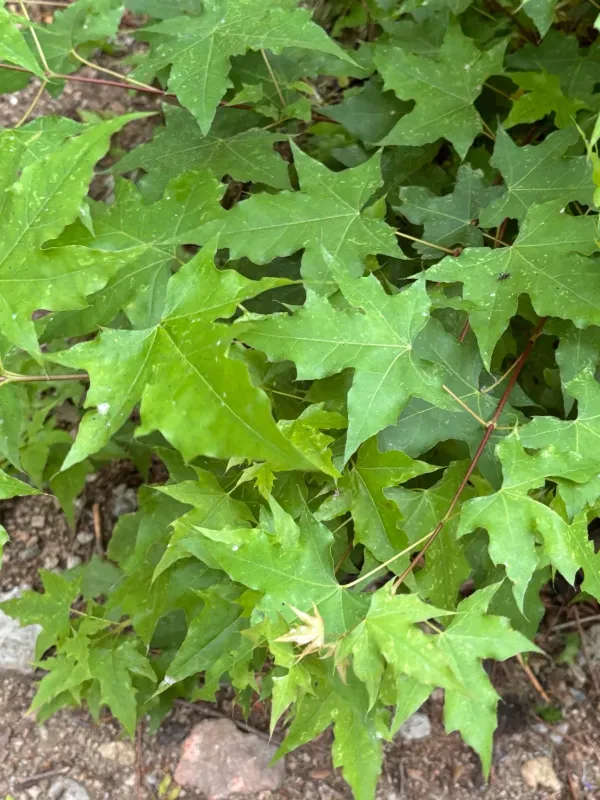
Description
Sowing dates
Propagation of Acer truncatum is typically conducted through seeds. To ensure high germination rates, seeds should undergo a cold stratification process for approximately 60 to 90 days at temperatures between 1 and 5 degrees Celsius.
Sowing is best performed in early spring or late autumn in a well-draining seedbed. The seeds should be covered with a light layer of soil, approximately 2 to 3 centimeters deep, to protect them from direct exposure.
Seedlings develop a deep taproot early on, which makes them resilient but also sensitive to transplantation. It is recommended to grow seedlings in nursery containers for the first two years before planting them in their permanent location.
When selecting a site, ensure the area provides ample space for the roots to expand. Avoid compact soils, as they can hinder the initial growth of the young maple saplings during their first few seasons.
Regular irrigation during the first year is critical. While the tree becomes drought-tolerant once established, early care significantly influences the overall health and symmetry of the crown.
Growing requirements
Acer truncatum, belonging to the Sapindaceae family, is highly valued for its adaptability to diverse environmental conditions. Native to Northern China and Korea, it thrives in temperate climates.
The tree prefers sunny locations to develop its full potential. Exposure to direct sunlight is essential for the tree to produce its vibrant autumn colors, which range from bright yellow to deep shades of orange and red.
Soil requirements are modest; the species performs well in various types, including loams and sandy soils, provided there is adequate drainage. It shows notable tolerance to slightly alkaline and saline soils.
The species is exceptionally winter-hardy and capable of withstanding harsh, cold winters without significant damage, making it suitable for a wide range of northern climates.
Its heat tolerance is equally impressive, allowing the tree to maintain its health during periods of intense summer temperatures, which is a major advantage for urban planting projects.
Yield
The Shantung Maple is primarily utilized in ornamental horticulture for its compact habit and stunning aesthetic appeal. It is a preferred choice for street planting, urban squares, and residential landscape design.
Beyond its decorative value, the tree provides significant environmental benefits. It acts as an effective windbreak in agricultural settings and helps reduce soil erosion in vulnerable areas.
The timber of Acer truncatum is dense and fine-grained, which makes it suitable for high-quality woodworking, including the creation of small artisanal items and furniture components.
Urban forestry benefits from this species due to its resilience to air pollution and moderate urban heat island effects, contributing to cleaner city environments and improved air quality.
As a source of biomass in specific managed landscapes, the tree contributes to biodiversity, supporting local pollinator populations during its flowering stage in the spring.
Main diseases and pests
Powdery mildew is the most common fungal issue for Acer truncatum, particularly in regions with high humidity. Proper spacing between trees ensures better airflow and helps mitigate this risk.
Pests such as aphids may attack young, tender growth during the spring. Monitoring and applying gentle, soap-based sprays are often effective in controlling early outbreaks without harming beneficial insects.
Verticillium wilt is a more serious disease that can affect the vascular system of the tree. Prevention involves avoiding root damage during cultivation and ensuring that the soil is not overly saturated for extended periods.
Leaf spot infections can diminish the tree's appearance during late summer. Pruning away infected branches and clearing fallen leaves helps to break the cycle of the disease for the following growing season.
In cases of severe environmental stress, the tree may become susceptible to bark borers. Maintaining overall tree vigor through proper watering and minimal pruning is the best defense against these internal pests.