
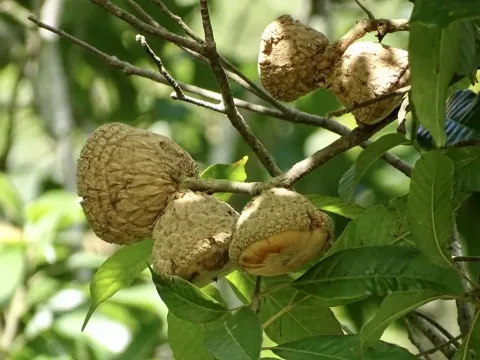
Lithocarpus
Lithocarpus Blume
Lithocarpus is a genus of evergreen trees belonging to the Fagaceae family, widely known as stone oaks. These trees are native primarily to the tropical and subtropical regions of Southeast Asia, thriving in high-humidity environments.
What the section contains
Lithocarpus
The culture requires a mild climate and deep, well-drained fertile soils to reach its full potential. While it can adapt to various conditions, it is sensitive to severe frost and prefers sheltered locations when cultivated in regions outside its natural range.
Botanically, Lithocarpus is distinguished by its leathery, persistent leaves and acorns that are often enclosed in a woody, dense cupule. The growth rate varies by species, but many develop into large, sturdy trees with dense crowns.
In forestry, Lithocarpus is valued for its hard, durable timber, which is highly resistant to decay. Furthermore, the nuts of some species have been used as a traditional food source after rigorous processing to reduce high tannin levels.
Proper cultivation involves maintaining soil moisture and ensuring adequate spacing between trees to prevent overcrowding. Mulching is highly recommended to protect shallow roots and maintain the necessary soil structure.
Root rot caused by pathogenic fungi is a primary threat, particularly in poorly drained soils. Over-watering can lead to rapid decline in plant health, making drainage management the most critical aspect of maintenance.
Insect pests, such as acorn weevils, pose a significant challenge by targeting the reproductive structures of the tree. This impact reduces the success of natural regeneration and seed collection efforts.
Defoliating insects can occasionally cause outbreaks that affect tree vigor. Monitoring the crown for signs of infestation is essential for commercial woodlots and nursery management.
Nutrient deficiencies, particularly chlorosis caused by incorrect soil pH, can weaken the plant's natural defenses. Ensuring a balanced fertilization program is key to sustaining tree immunity against opportunistic infections.
Integrated pest management strategies are recommended, focusing on maintaining tree health through proper soil and water management to minimize the need for chemical intervention.