
Laurel oak
Quercus laurina
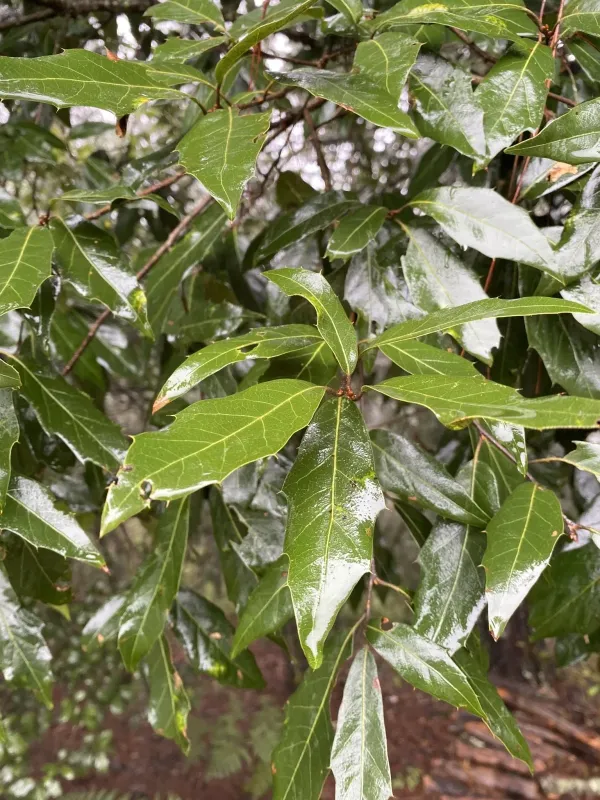
Description
Sowing dates
Propagation of Quercus laurina is primarily carried out through seeds. Acorns are typically sown in the autumn immediately after harvest or in the spring following a mandatory cold stratification process to improve germination rates.
The optimal sowing time in the field is early spring once soil temperatures reach approximately 8–10 degrees Celsius. Seeds are buried at a depth of 3 to 5 centimeters, depending on the specific size of the acorn.
In nursery environments, container-based cultivation is preferred. This method provides superior protection for the root system during the sensitive initial growth stages and facilitates safer transplantation to permanent sites.
Soil preparation is essential for successful establishment. Fields must be deeply ploughed and kept free of weeds to reduce competition for nutrients during the first critical two years of seedling growth.
Spacing between trees must be carefully planned to ensure adequate crown development and prevent root overcrowding, which can hinder the long-term health of the species.
Growing requirements
Belonging to the Fagaceae family, the laurel oak is an evergreen species native to the mountainous forests of Mexico. It thrives in moderate climates and requires careful placement to avoid extreme cold.
The species prefers well-drained, fertile loamy soils with a neutral to slightly acidic pH. Proper drainage is a non-negotiable requirement, as waterlogged soil significantly increases the risk of root rot.
While mature trees exhibit moderate drought tolerance, Quercus laurina flourishes with consistent irrigation. It is a heliophilous species, though seedlings benefit from partial shade during their first season.
The ideal temperature range for vegetative development is between 18 and 25 degrees Celsius. Protection from late spring frosts is necessary to prevent damage to tender new foliage and apical buds.
Applying organic mulch around the base of the tree is a standard agricultural practice. This helps maintain soil moisture levels and supports the development of beneficial microbial activity in the root zone.
Harvesting
The economic value of Quercus laurina primarily stems from its high-quality timber. Harvest operations are conducted when trees reach maturity, typically requiring 60 to 80 years in natural forest stands.
The wood is characterized by remarkable density and durability, making it an excellent material for high-end furniture manufacturing, construction projects, and specialized woodworking applications.
Beyond timber, the species is highly valued for its ornamental appeal. Its leathery, lance-shaped evergreen leaves make it a popular choice for large-scale landscaping and urban greening projects.
Seed collection is a vital part of the silvicultural cycle, ensuring a continuous supply for reforestation efforts in mountainous regions where the species naturally occurs.
Sustainable management practices are critical when harvesting. By integrating reforestation and erosion control measures, foresters ensure the long-term viability of the laurel oak in its native habitat.