
Louisiana oak
Quercus ludoviciana
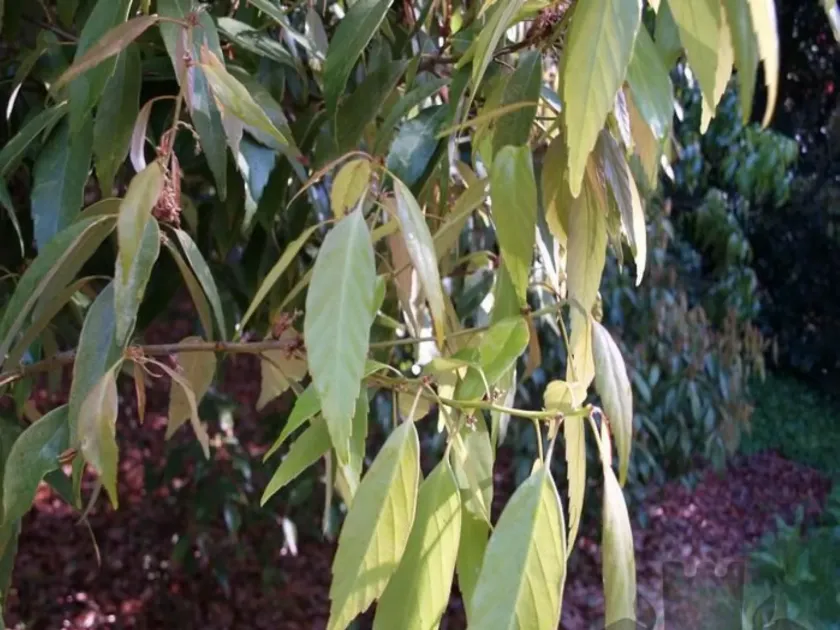
Description
Growing requirements
Louisiana oak (Quercus ludoviciana) belongs to the Fagaceae family. It is a distinctive hardwood tree naturally occurring in the southern United States, typically found in floodplains and moist, well-drained lowland areas.
The tree thrives in deep, fertile soils that are rich in organic matter. While it is tolerant of temporary inundation, the best growth rates are observed in well-drained loamy soils that provide adequate aeration to the roots.
This species requires a temperate climate with long, warm growing seasons. It is not cold-hardy in severe climates, making it essential to choose planting sites that are protected from harsh winter winds to ensure the survival of young specimens.
Agricultural management requires regular monitoring of soil moisture during the establishment phase. As the tree matures, its drought tolerance increases significantly, although irrigation during prolonged dry spells is recommended for optimal productivity.
Economically, the Louisiana oak is valued for its hard timber, which is used in high-quality furniture making and interior construction. It is also an important species for reforestation projects aimed at restoring natural wetland habitats.
Main diseases and pests
Powdery mildew represents a primary fungal threat to the foliage of Quercus ludoviciana, especially in dense stands where air circulation is restricted. Proper spacing between trees is crucial for management.
Pests such as leaf miners and wood-boring beetles can cause significant damage to the plant tissue. Integrated pest management strategies, including monitoring and biological controls, are highly effective when applied timely.
Bacterial leaf scorch is another potential threat that can affect the tree's vigor over several seasons. Maintaining soil health and reducing environmental stress are the best ways to keep the trees resistant to such infections.
Root rot can occur in areas with poor drainage or stagnant water. It is essential to ensure that the site selection includes proper site preparation to avoid water accumulation around the trunk base.
Regular sanitation, such as removing dead branches and clearing leaf litter, helps in reducing the overwintering populations of pests and pathogens, ensuring the long-term health of the plantation.