
Long-petioled beech
Fagus longipetiolata
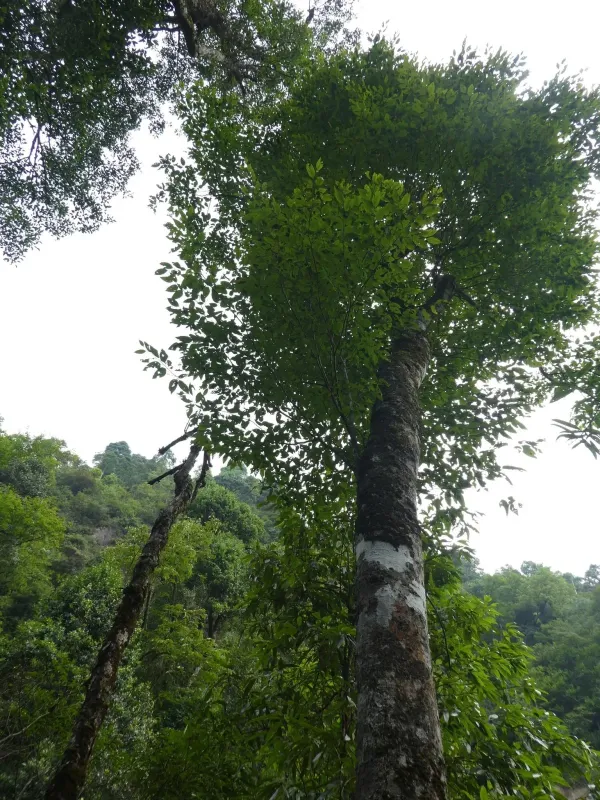
Description
Growing requirements
The long-petioled beech (Fagus longipetiolata) is a prominent member of the Fagaceae family, native to the mountain forests of China. Known for its distinctively long-petioled leaves, this species is an essential component of temperate and subtropical forest ecosystems.
The species requires a cool, humid climate with stable precipitation throughout the year. It thrives in locations where fog and mountain mists provide the necessary air moisture, which is critical for preventing desiccation during the peak growing season.
Soil requirements include well-drained, nutrient-rich substrates, preferably deep loams with a slightly acidic to neutral pH. Avoiding compacted or waterlogged soils is essential, as the root system is highly sensitive to hypoxia and prolonged flooding.
Silvicultural practices focus on maintaining canopy cover during the early development stages, as seedlings are shade-tolerant and require protection from intense solar radiation. As the trees mature, they benefit from managed thinning to promote crown development and structural wood quality.
Effective forest management includes protecting the site from excessive wind exposure, as the thin leaves can be susceptible to mechanical damage and premature moisture loss in arid, windy environments.
Main diseases and pests
Fungal pathogens represent the most significant threat to Fagus longipetiolata, particularly bark canker and root rot diseases. These infections often manifest in stands with poor ventilation or stagnant air circulation.
Insect pests, such as beech scale insects and leaf miners, can lead to significant defoliation, weakening the tree's vigor and making it more susceptible to secondary environmental stresses.
Climate change poses an indirect threat by shifting seasonal precipitation patterns, which may lead to prolonged droughts. Monitoring soil moisture levels is vital for maintaining the health of plantations in vulnerable geographic zones.
In forest nurseries, damping-off diseases can devastate young seedlings. Proper sterilization of sowing substrates and maintaining moderate humidity levels are essential preventive measures for nursery managers.
Wildlife impact, particularly by deer browsing on terminal buds and stripping bark, requires proactive mitigation through fencing or the use of protective netting to ensure the successful establishment of young stands.