
Lea's Oak
Quercus leana
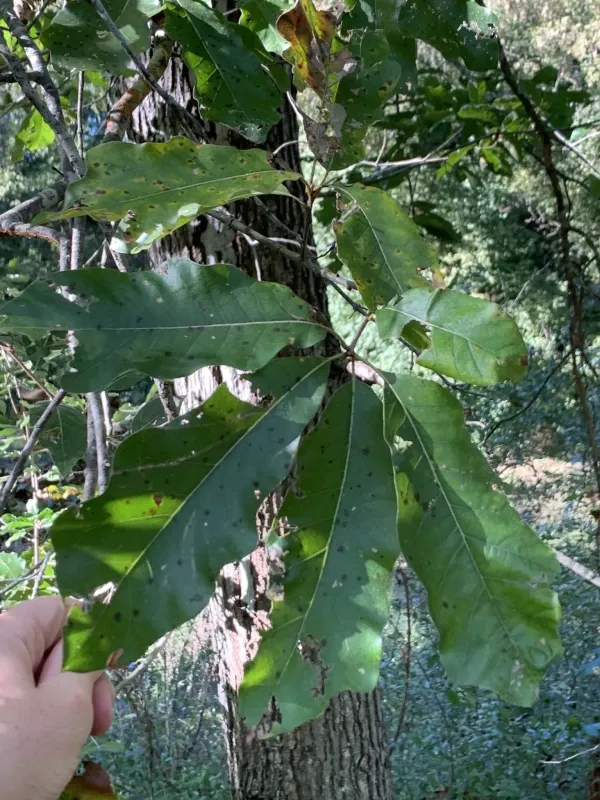
Description
Growing requirements
Lea's Oak (Quercus leana) is a rare natural hybrid resulting from the crossing of the Shingle Oak (Q. imbricaria) and the Black Oak (Q. velutina). Belonging to the Fagaceae family, this species is highly regarded for its distinctive, intermediate foliage and structural elegance.
The tree thrives in full sun exposures and prefers deep, fertile, and well-drained loamy soils. While it displays a certain degree of adaptability, the most vigorous growth is achieved in slightly acidic to neutral soil environments with consistent moisture availability.
Climatically, the species is relatively hardy, tolerating a wide range of temperatures typical of temperate regions. Protection from harsh, drying winds during the establishment phase is essential for ensuring a balanced crown architecture and healthy primary growth.
Agrotechnical practices involve supplemental irrigation during prolonged summer dry spells, particularly for younger specimens. Applying balanced slow-release fertilizers in early spring supports healthy biomass development and improves the tree's overall stress tolerance.
In terms of economic and practical use, Lea's Oak is primarily an ornamental specimen tree in arboreta and specialized landscape designs. Its rarity makes it a prized addition for nurseries focused on diversifying their collections of native and hybrid hardwood species.
Main diseases and pests
Common pathological threats include powdery mildew, which often manifests under conditions of high humidity and poor air circulation within the canopy. This fungal infection can reduce the ornamental value of the foliage if left untreated.
Pests such as the oak leaf roller and various gall wasps are potential concerns that may damage the leaf tissue. Integrated pest management strategies, including the use of systemic insecticides, are recommended for maintaining tree vigor.
Root rot, often caused by poor drainage and waterlogged soil conditions, poses a significant threat to the tree's health. Ensuring a well-aerated soil profile is the most effective preventative measure against soil-borne pathogens.
Stem cankers and bark injuries can become entry points for secondary infections. Immediate treatment of any mechanical wounds with professional-grade sealants or fungicides is necessary to prevent long-term structural damage.
Regular monitoring of the canopy and bark throughout the growing season is vital for early detection of issues. Maintaining a healthy soil nutrient balance helps the tree exhibit natural resistance to common oak diseases and environmental stressors.